

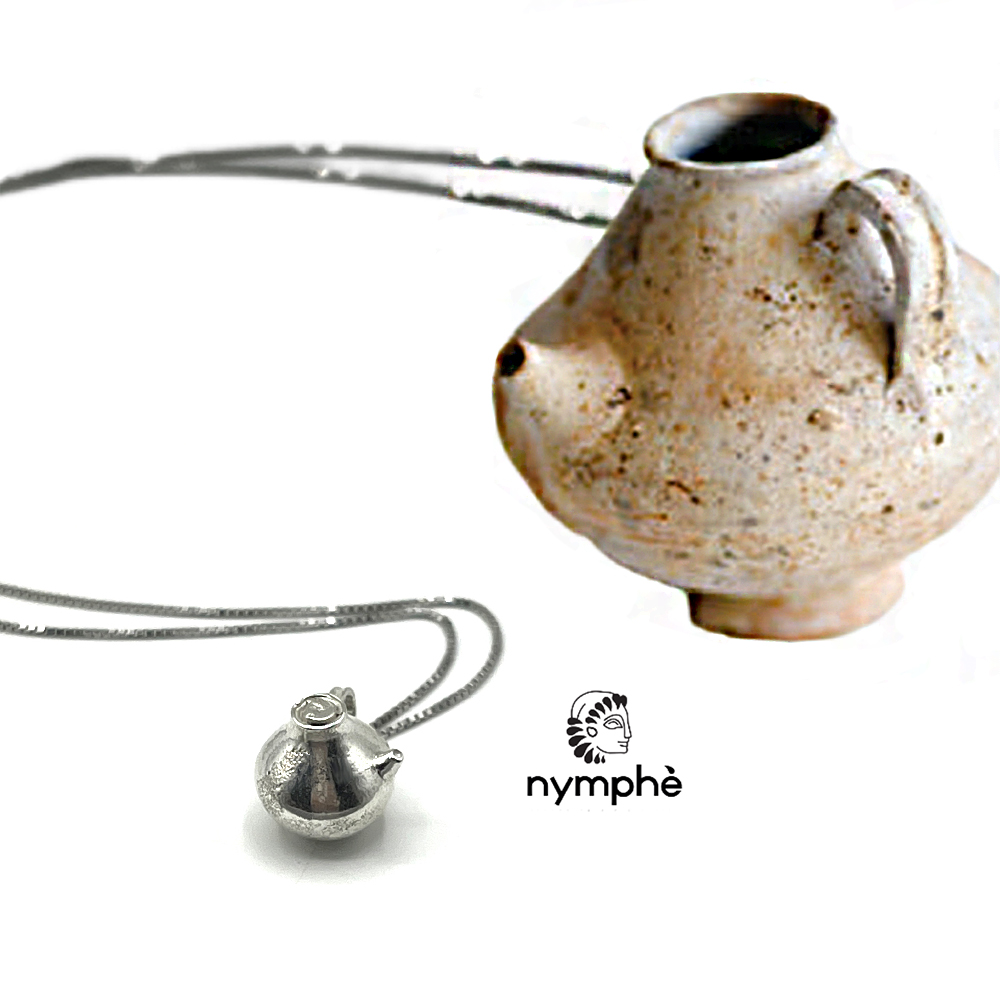
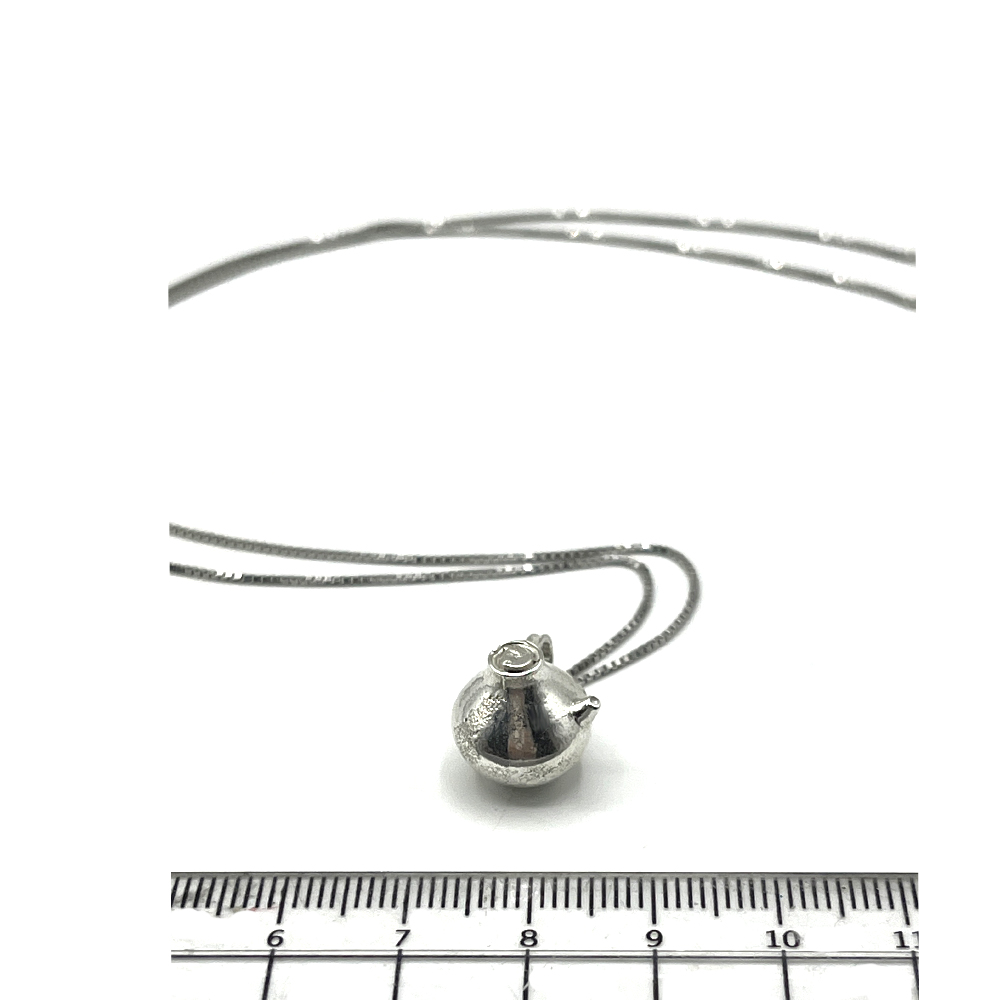
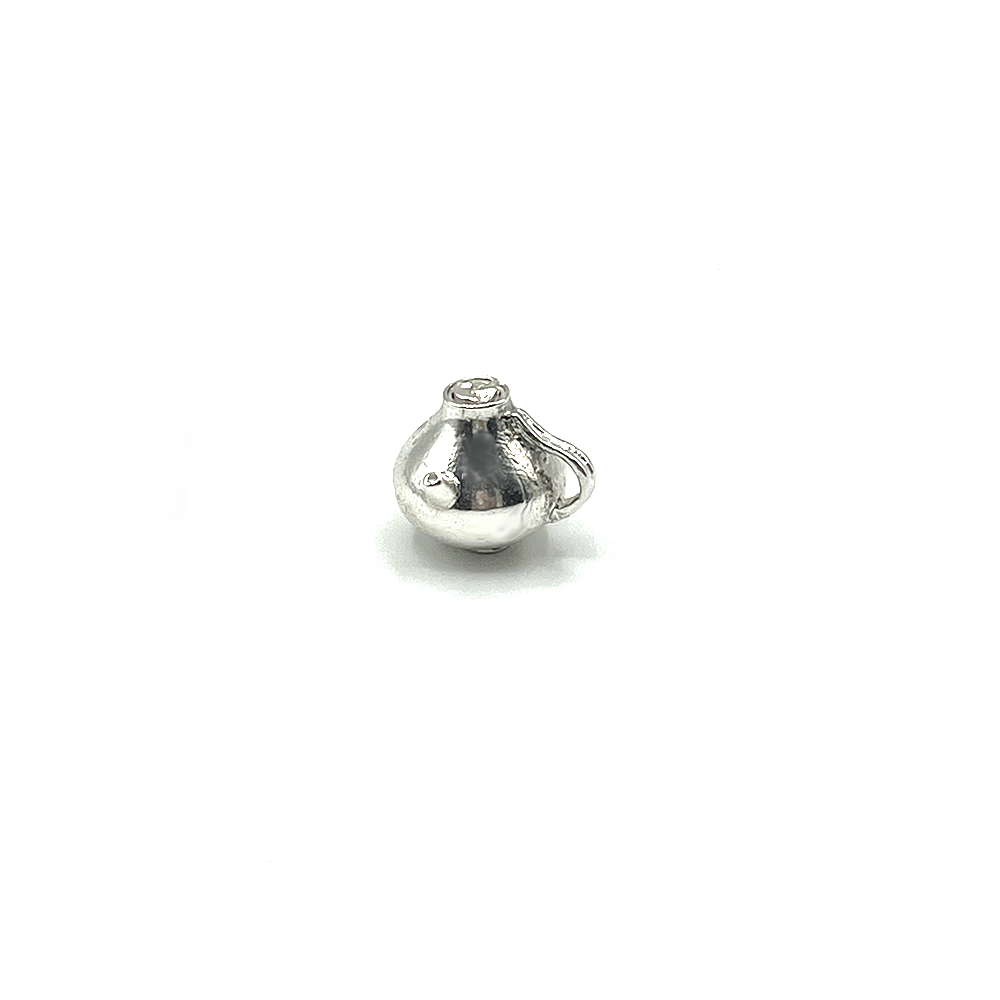
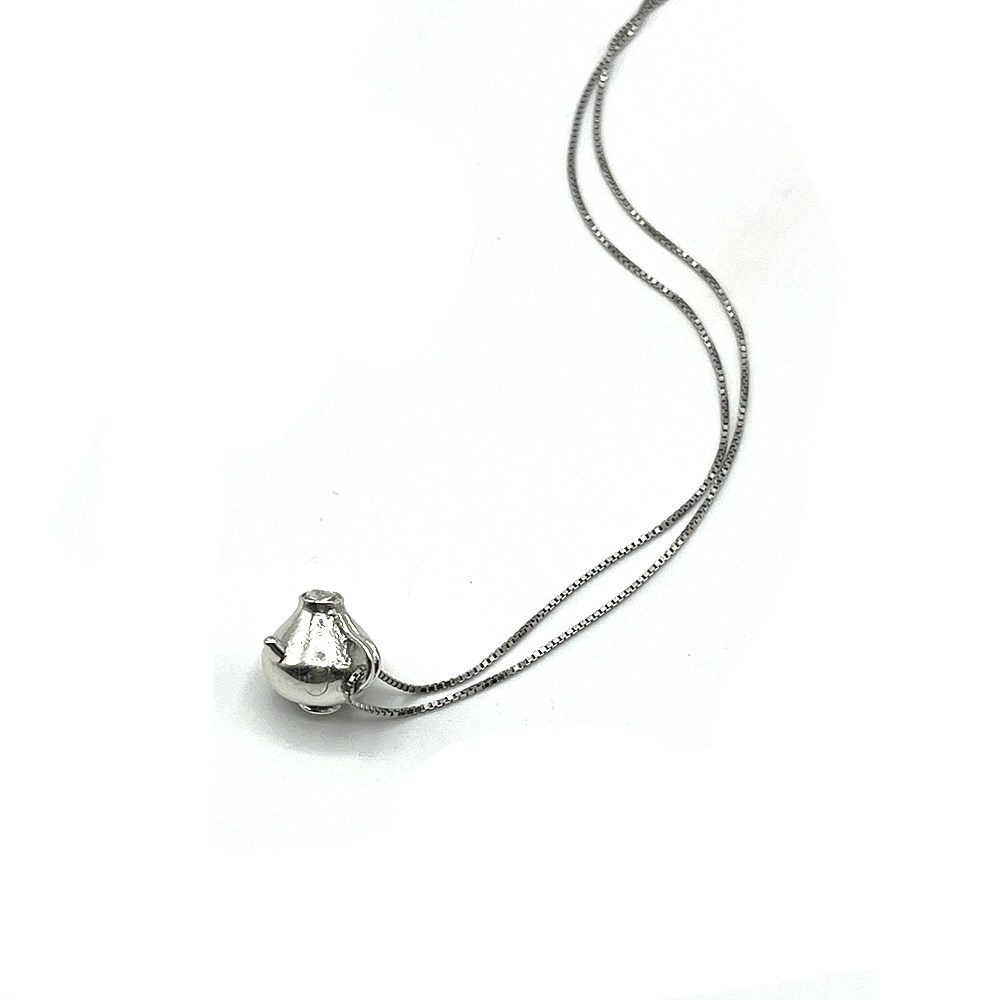
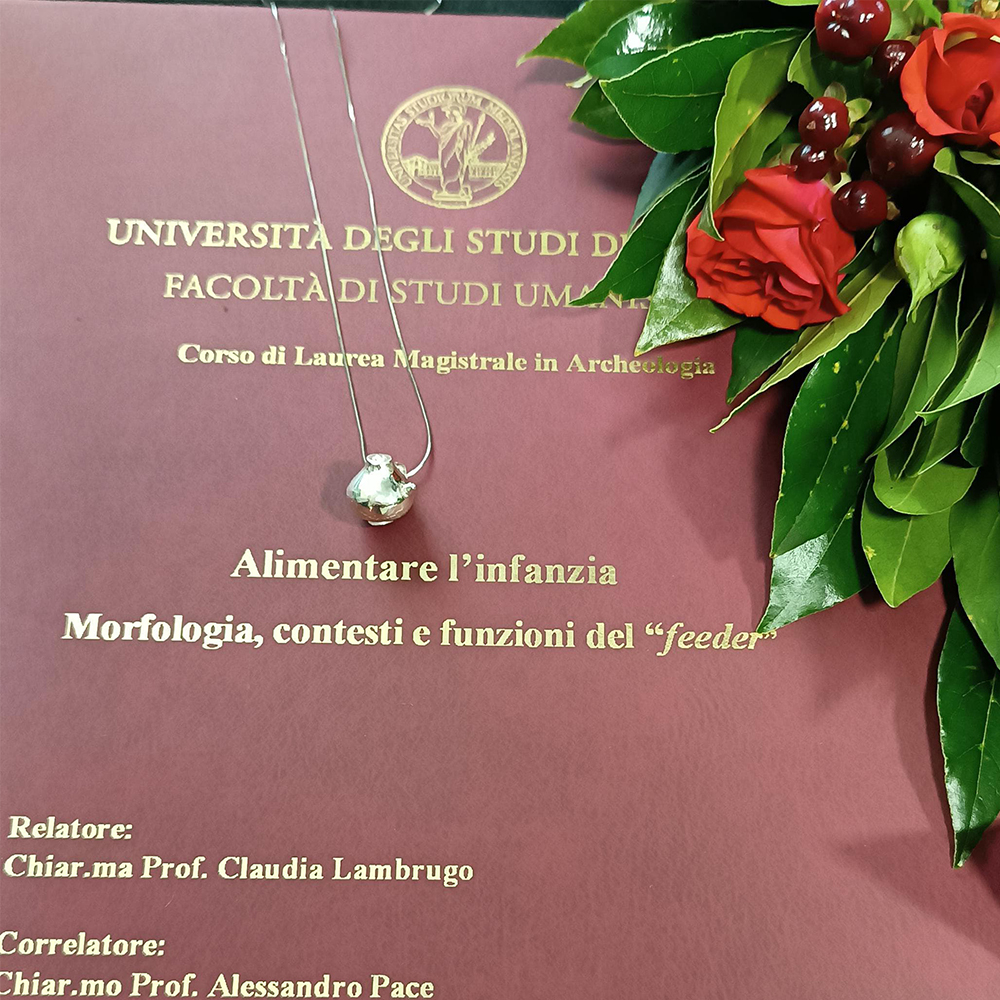
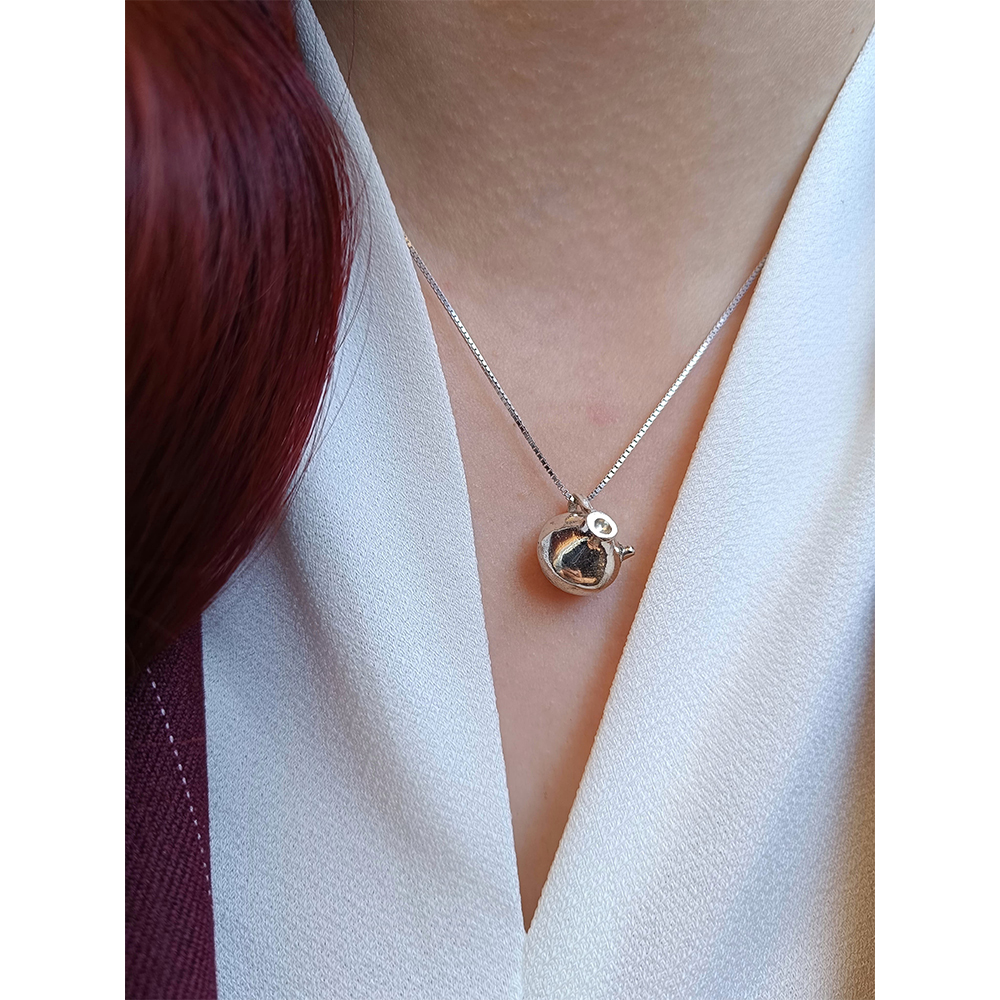
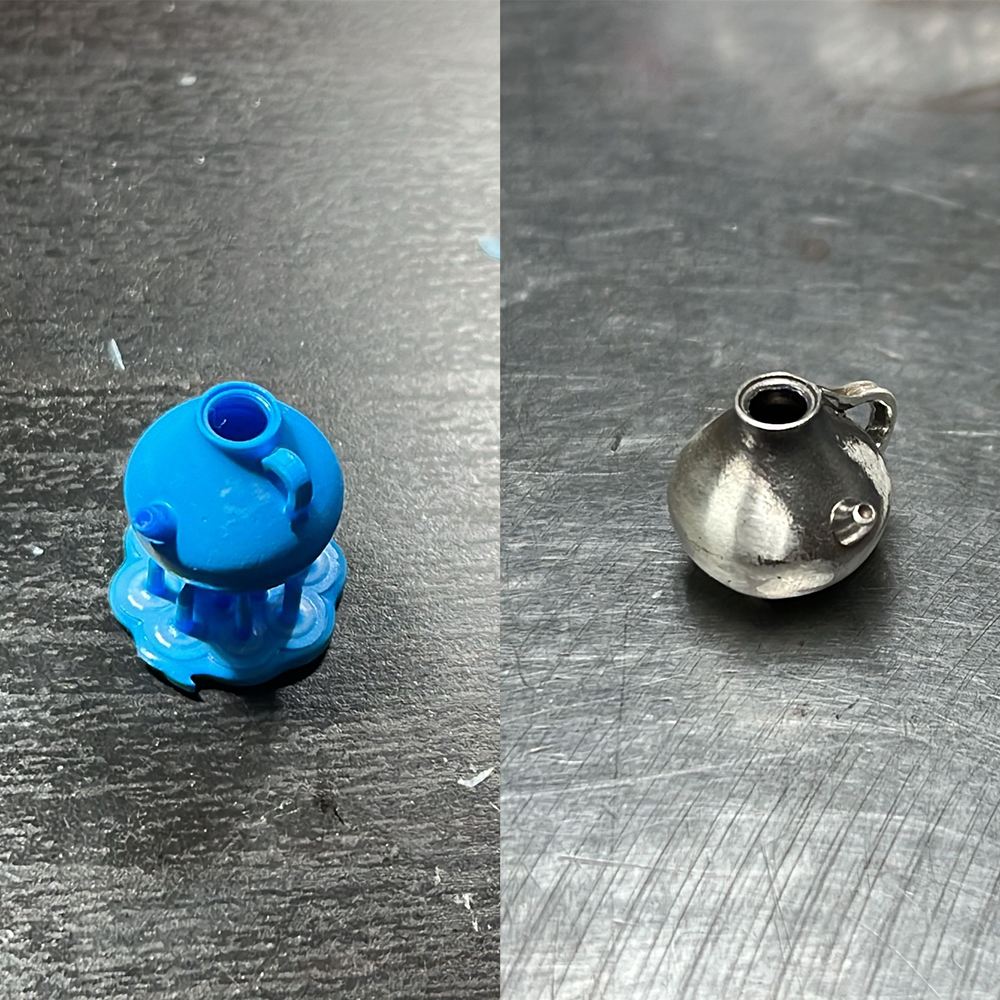
A feeder is a small ceramic vessel featuring a tubular spout. Although individual specimens display significant morphological variation, they are distinctive precisely for this peculiar tubular spout, which allows for the slow, gradual flow of liquids.
Céline Dubois proposed two primary classifications: biberons-cruches, characterized by an elongated body resembling a pitcher, and biberons-tasses, which feature a flatter shape akin to oil lamps.
This ceramic type first appeared in the 4th millennium BCE, with examples originating from Mesopotamia, Egypt, and present-day Iran. It subsequently spread to Greece, Magna Graecia, and the Roman Empire, before gradually disappearing starting in the 4th century CE, replaced by a vessel of similar shape made of glass—a material far easier to sanitize.
For a long time, the feeder was considered exclusively a precursor to the baby bottle, an assumption largely suggested by its discovery in infant burials. However, recent biochemical analyses have revealed the presence of ingredients such as wine, animal fat, waxes, vegetable oils, dairy products, resin, and conifer pitch. These components are commonly found in the recipes for curative and invigorating remedies described in ancient medical treatises.
It is therefore plausible to view this vessel as a multifunctional tool that played a significant role in caregiving and in administering therapeutic remedies to both infants and the sick during life and, symbolically, after death—serving as a meaningful symbol of affection and care within grave goods.
Dr. Alice Maria Valli
BIBLIOGRAFIA
- Galeno, Galeno, De Remediis Parabilibus, libro I, 585, 586, libro II 603-607, 622-635, libro III 642,
657, 661 - Celso, De Medicina, libro I, 6-6, libro III, 4, 7, 9, 13-15, 19, 24
- Plinio, Naturalis Historia, libro XXIII, 33-68, 83, libro XXVIII, 72, 73, 75, 123-128, 135-137, libro
XXIX, 38-42, libro XX, 129, 133, 211 - Dubois C., L’alimentation des enfants en bas âge : les biberons grecs. In: «Les Dossiers d’archéologie», n 356, 2013
- Doubois C., Alimentation infantile: pratiques et culture matérielle dans la société grecque. In: Una
favola breve. Archeologia e antropologia per la storia dell’infanzia a cura di C. Lambrugo, All'Insegna del Giglio, 2019 - Jaeggi-Richoz S., La fabrique des bébés dans l’Antiquité. Enquête sur les « biberons» gallo-
romains, Brepols Publisher, Belgio, 2024 - Jaeggi-Richoz S., Seins de chair, seins de terre : symbolique et usage des biberons grecs et gallo-
romains, In: Allaiter de l’Antiquité à nos jours : Histoire et pratiques d’une culture en Europe, a cura
di Foehr-Janssens Y., Solfaroli Camillocci D., Brepols Publishers, Turnhout, 2022 - Jaeggi-Richoz S., Wittmann A., Garnier N., Biberon or not biberon? Les analyses biochimiques de
contenus et la question de la function des vases gallo-romains communément appelés «biberons»
Actes du Congrès de Nyon, In: «SFECAG», 2015








Reviews
There are no reviews yet.