


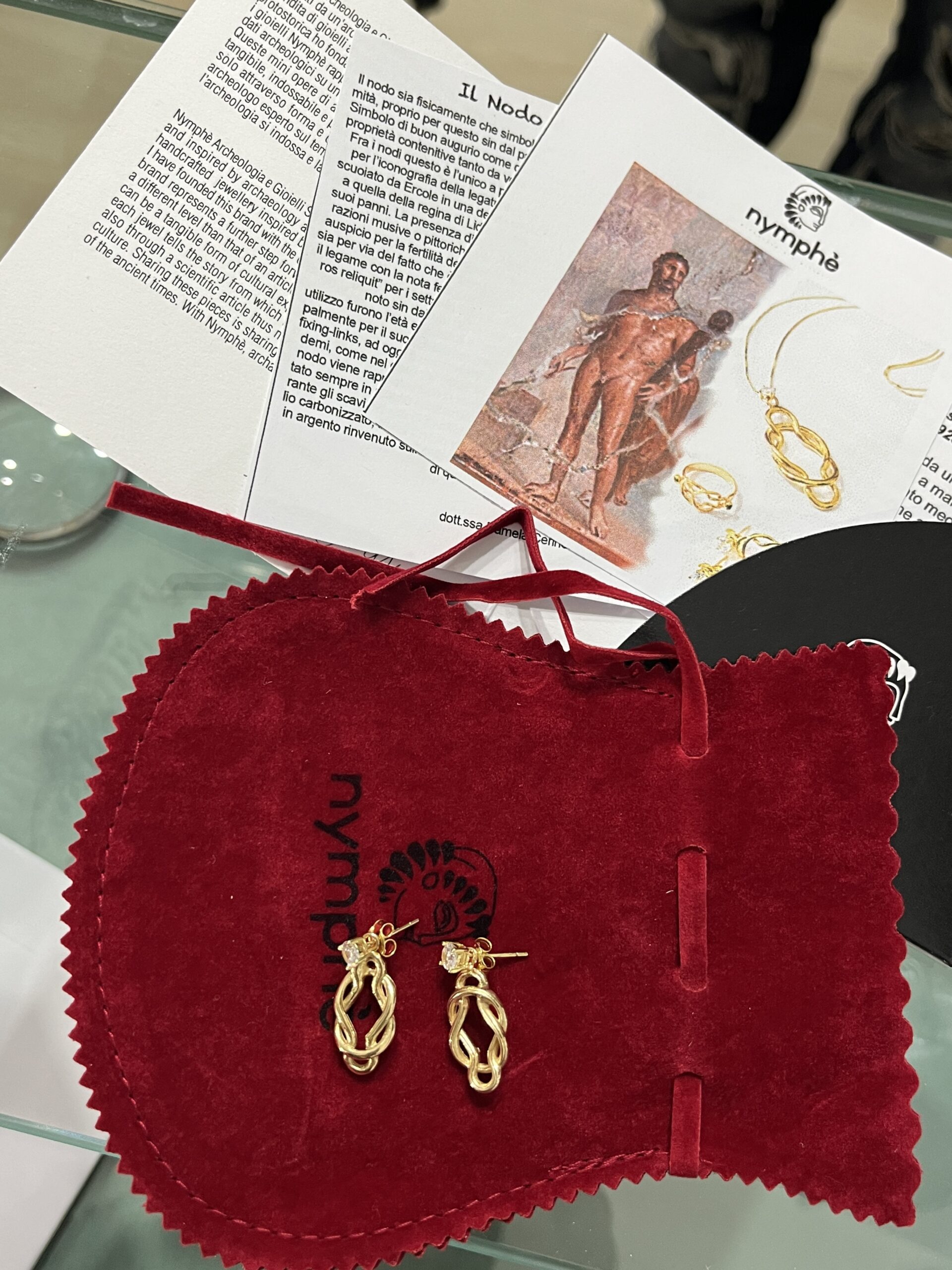
📚 Archaeological Insight by Dr. Pamela Cerino:
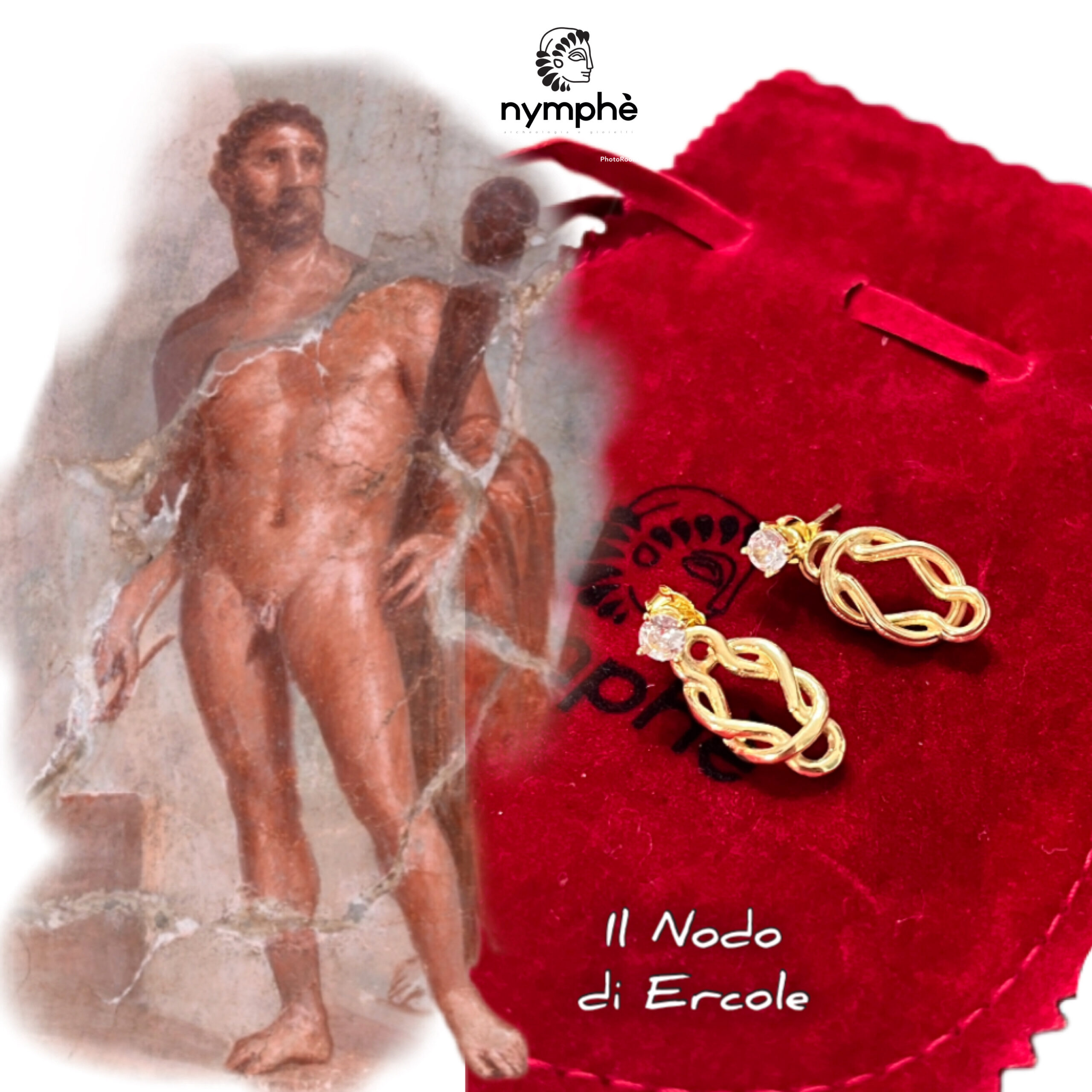
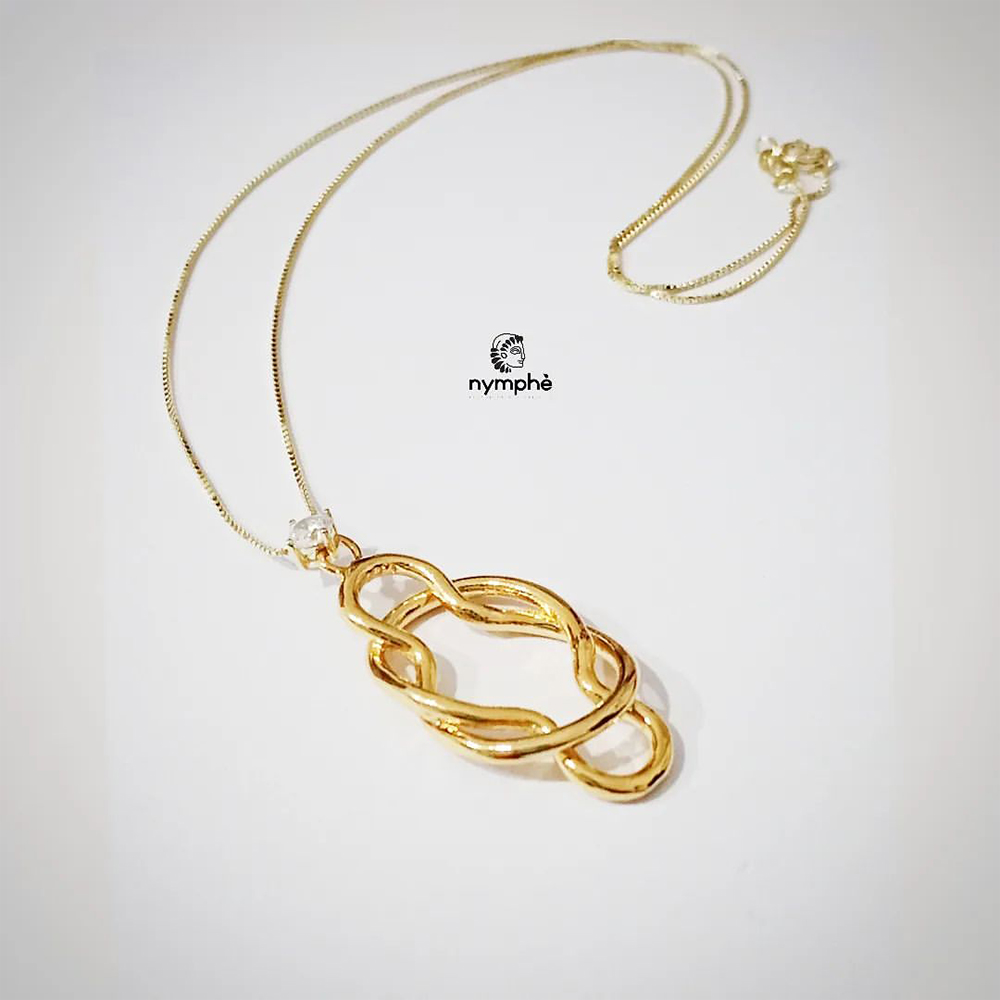
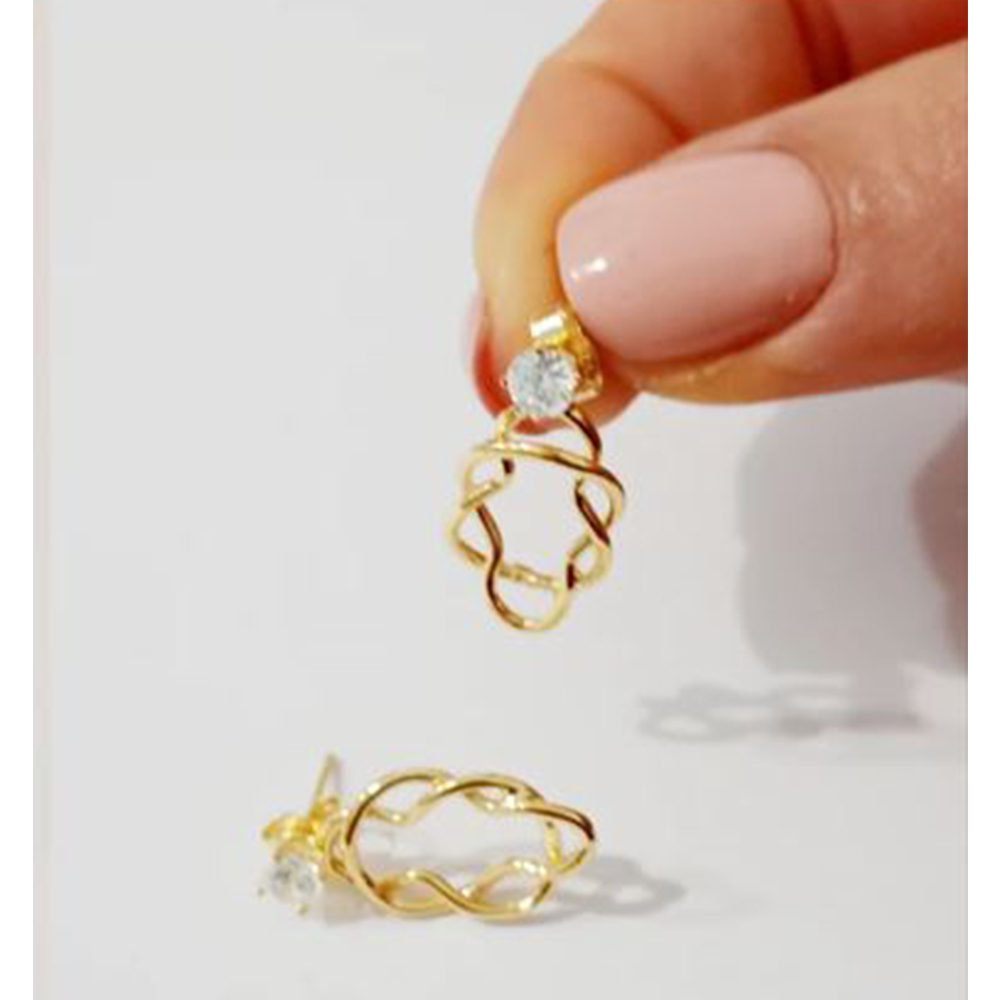
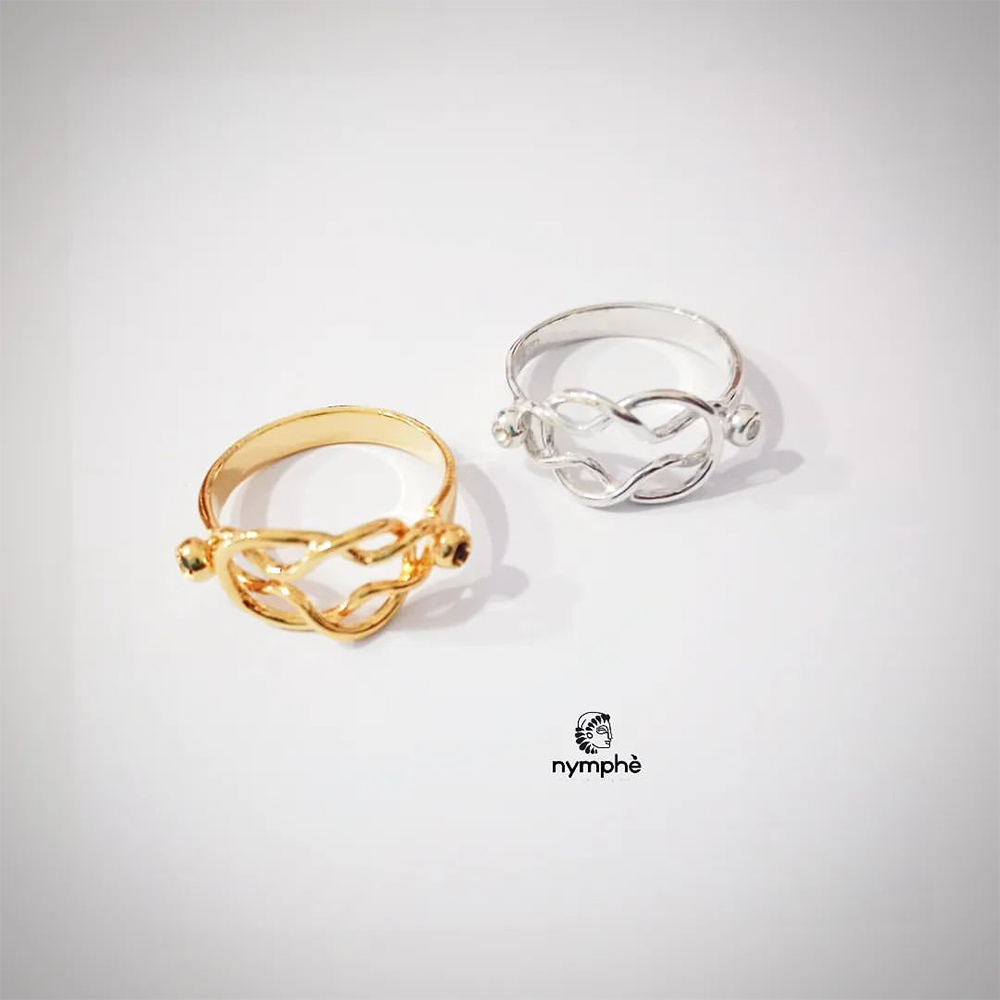
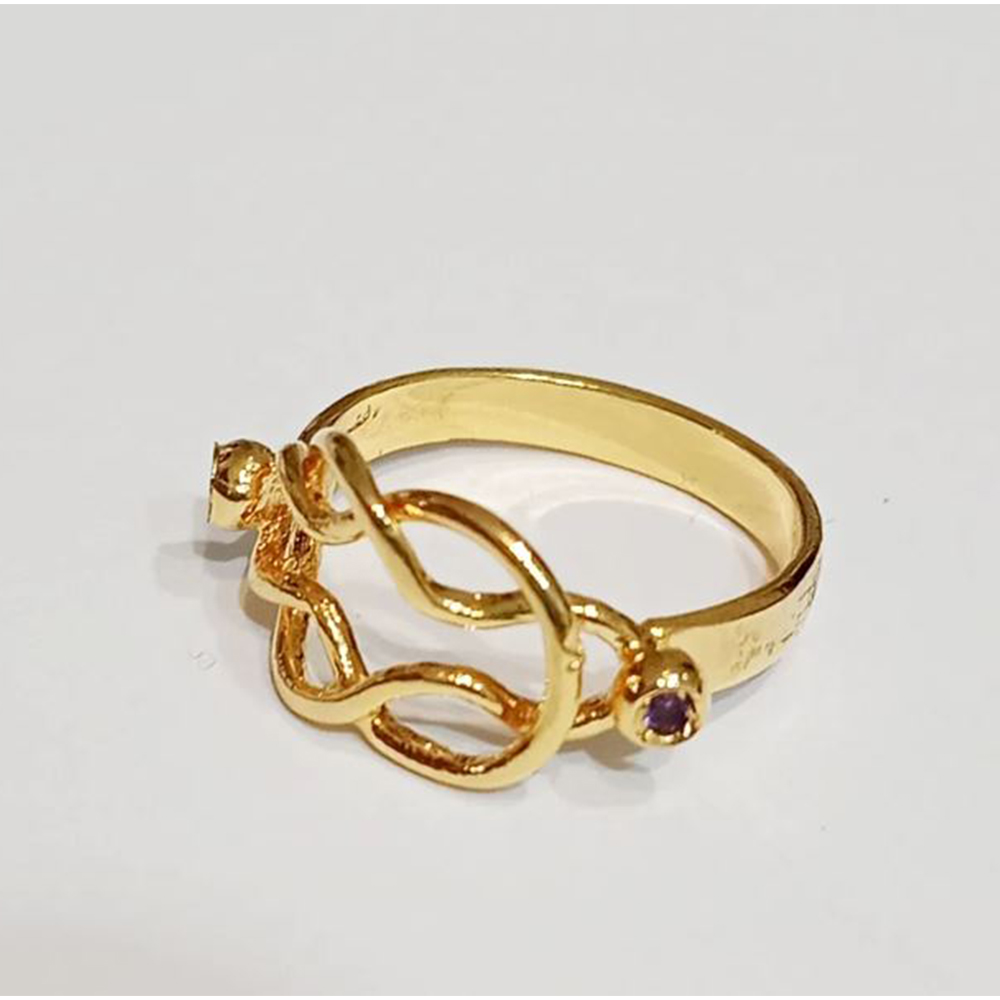
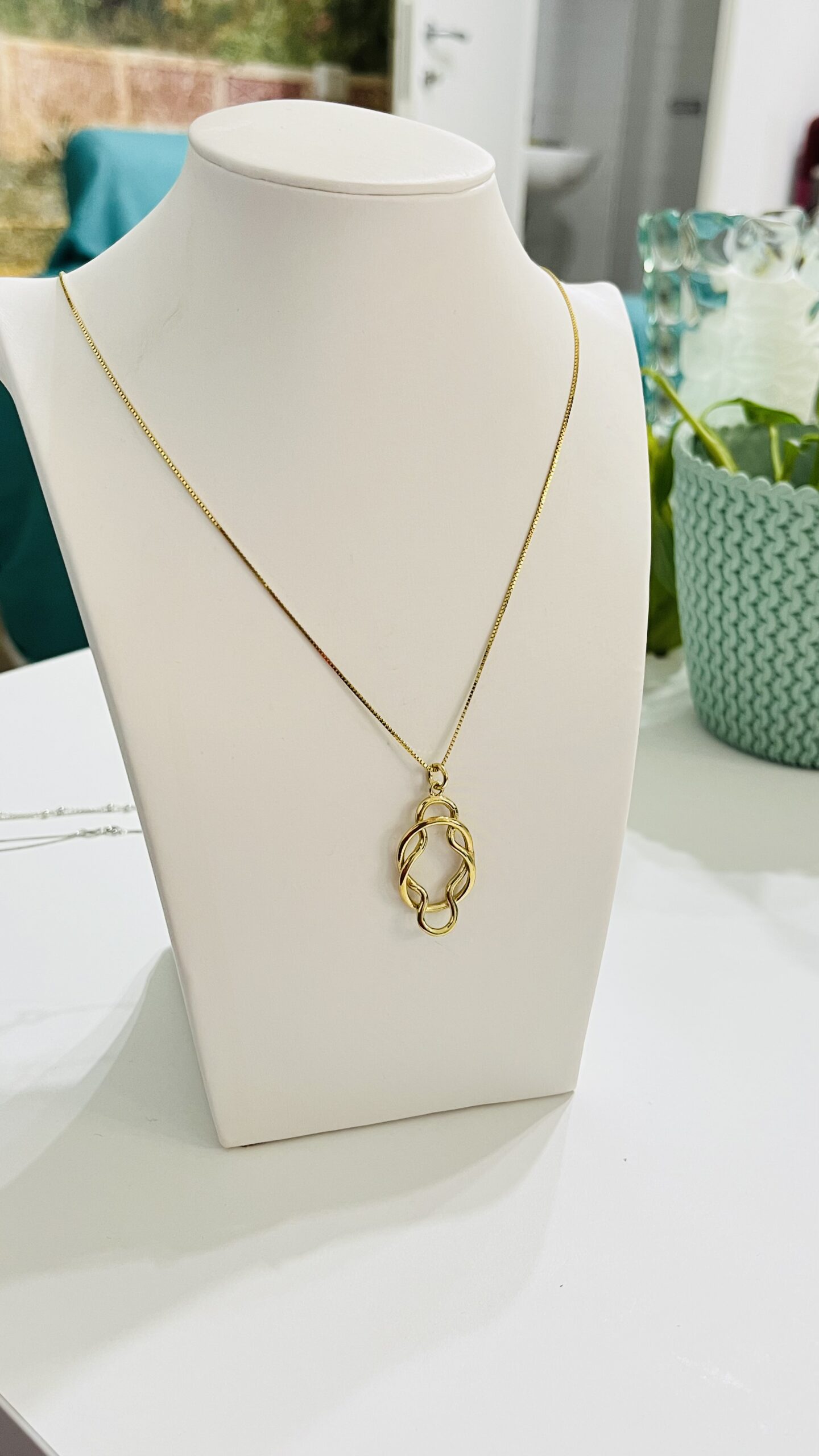
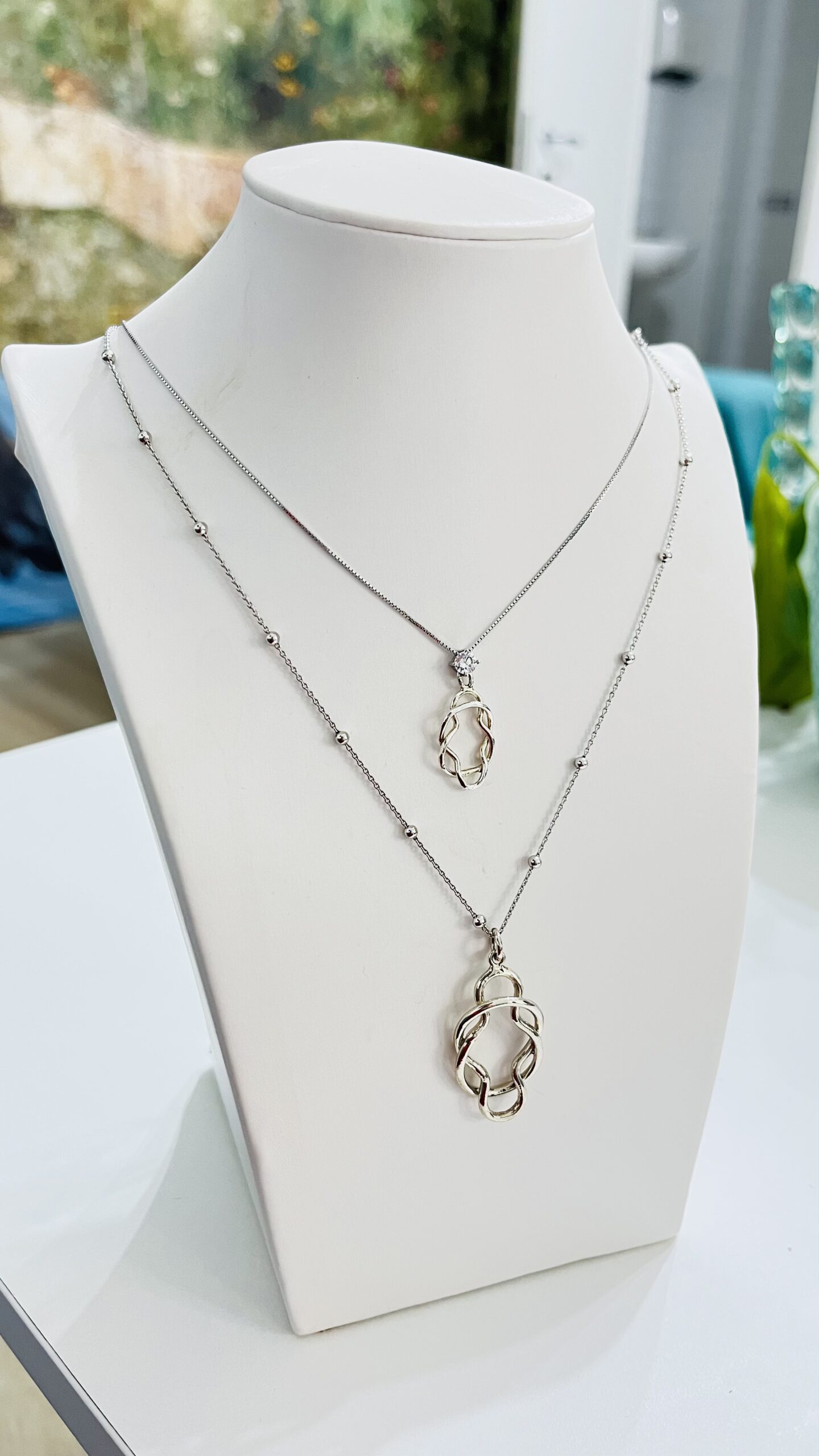
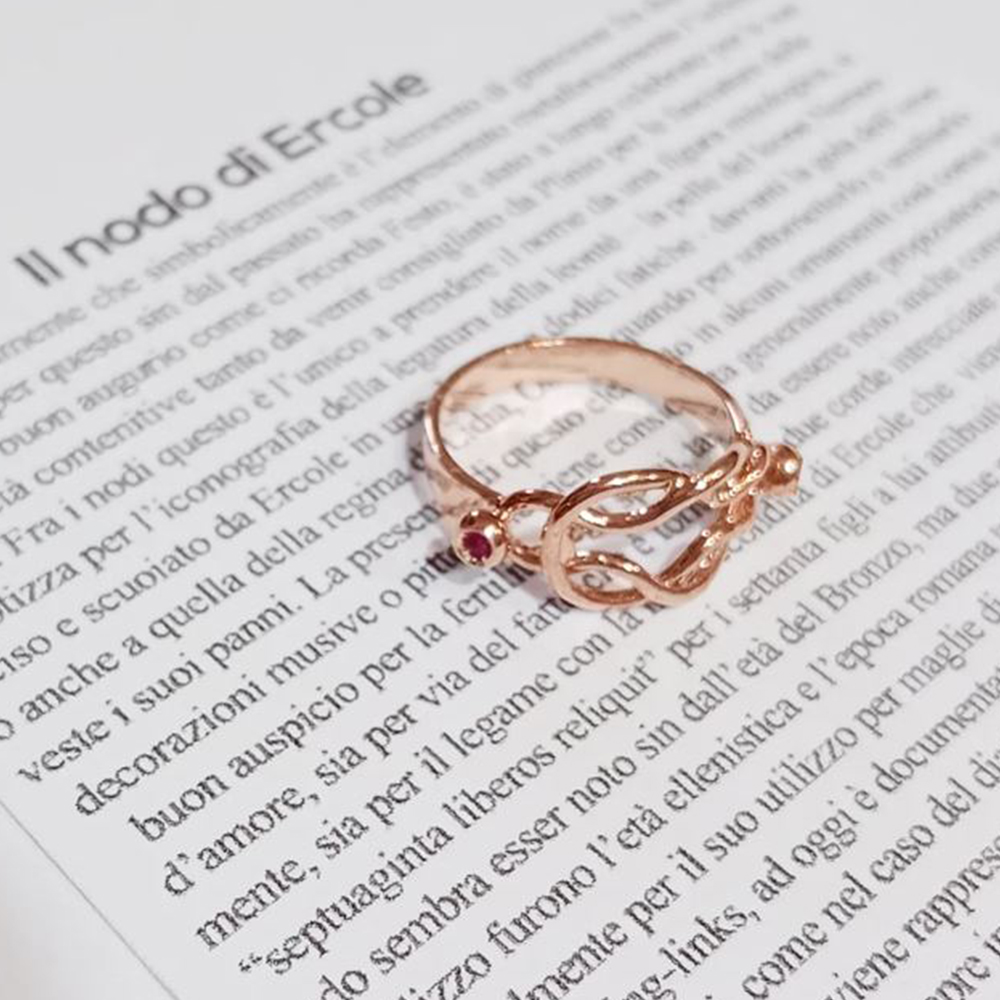
“Both physically and symbolically, the knot is the joining element between two ends, which is why since antiquity it has metaphorically represented infinity. A symbol of good fortune—as Festus reminds us—it was long celebrated for its binding properties, even being recommended by Pliny for dressing wounds. Among all knots, this is the only one named after a mythological figure. This is thought to derive from the iconography of the leontè fastening—the skin of the Nemean lion slain and flayed by Hercules in one of his Twelve Labors—tied before the hero’s throat, or from that of Omphale, Queen of Lydia, when she made him wear her clothes to subdue and humiliate him.
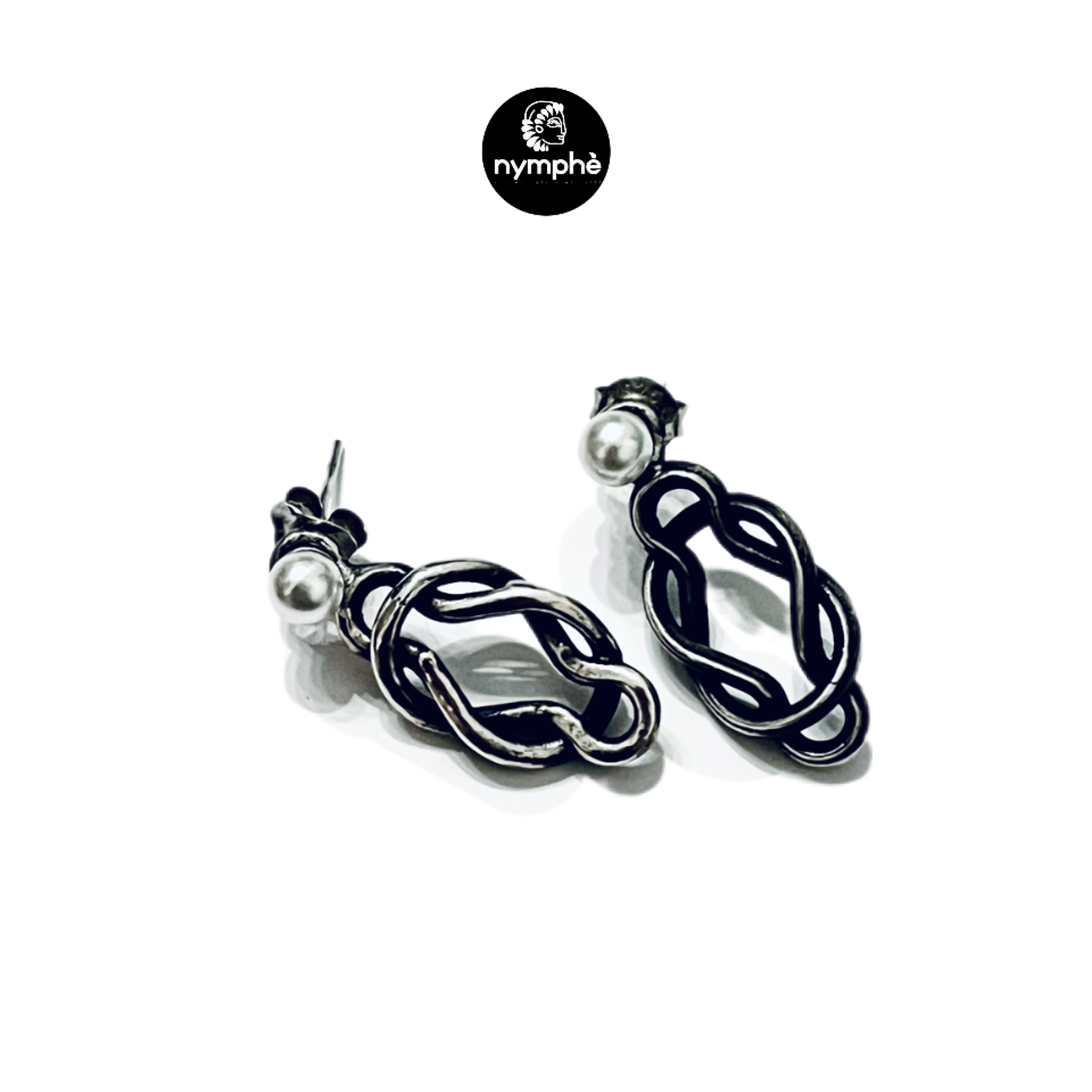
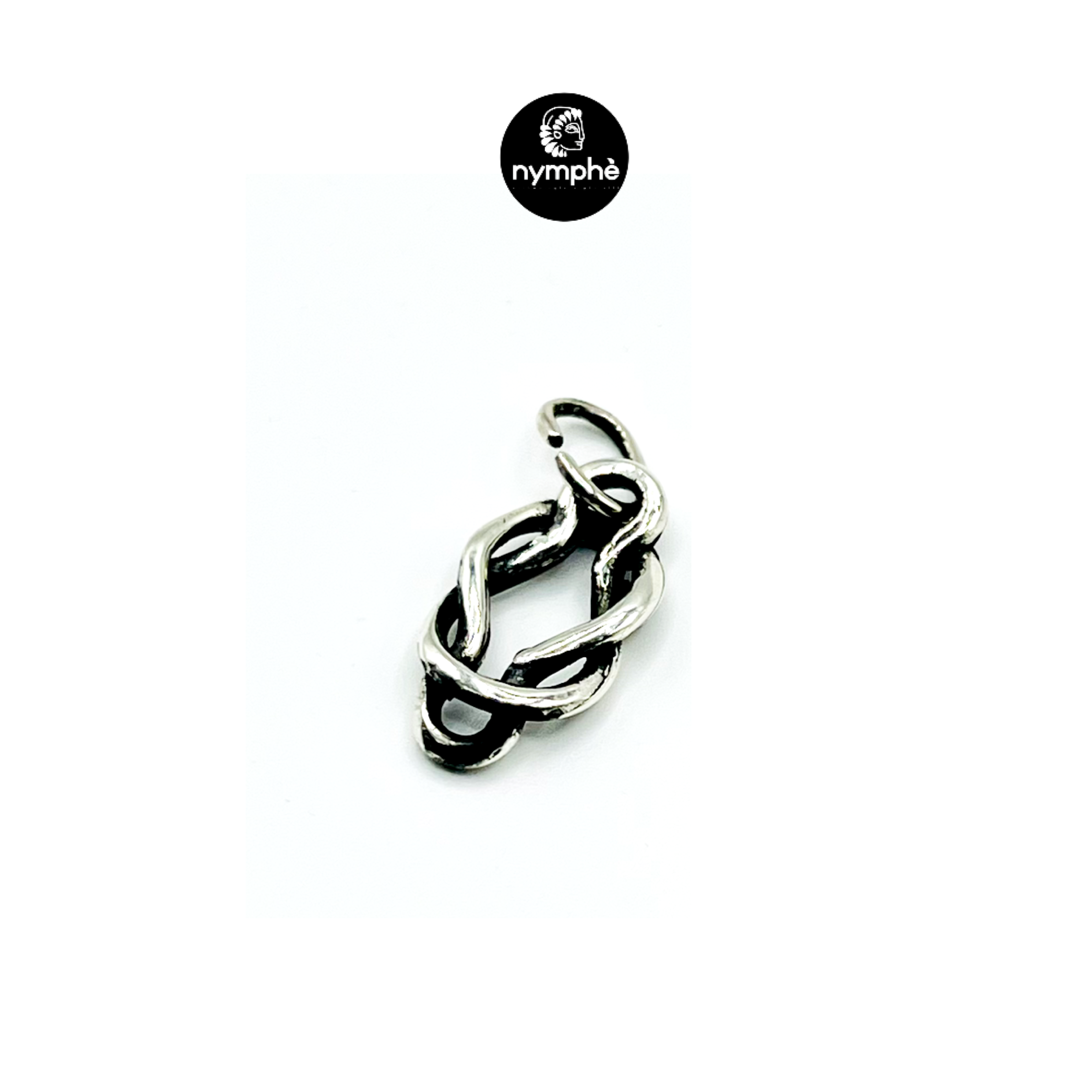
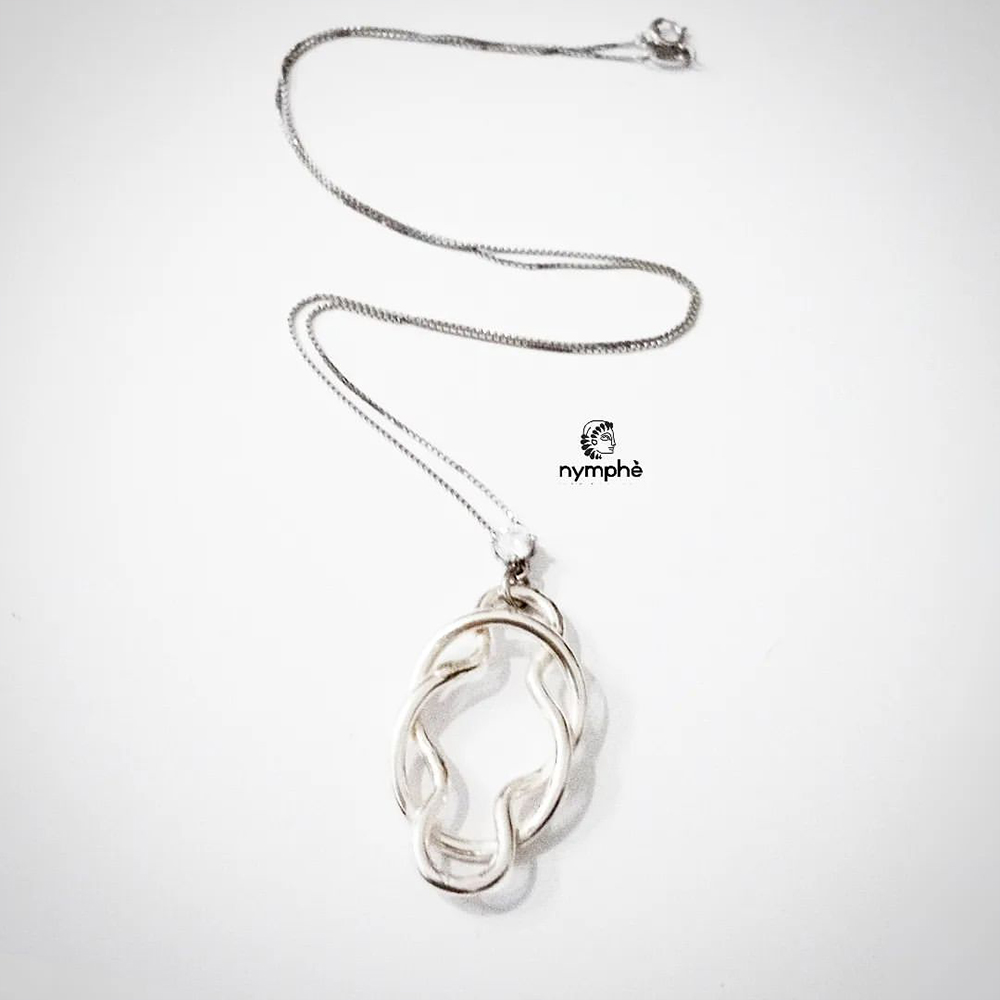
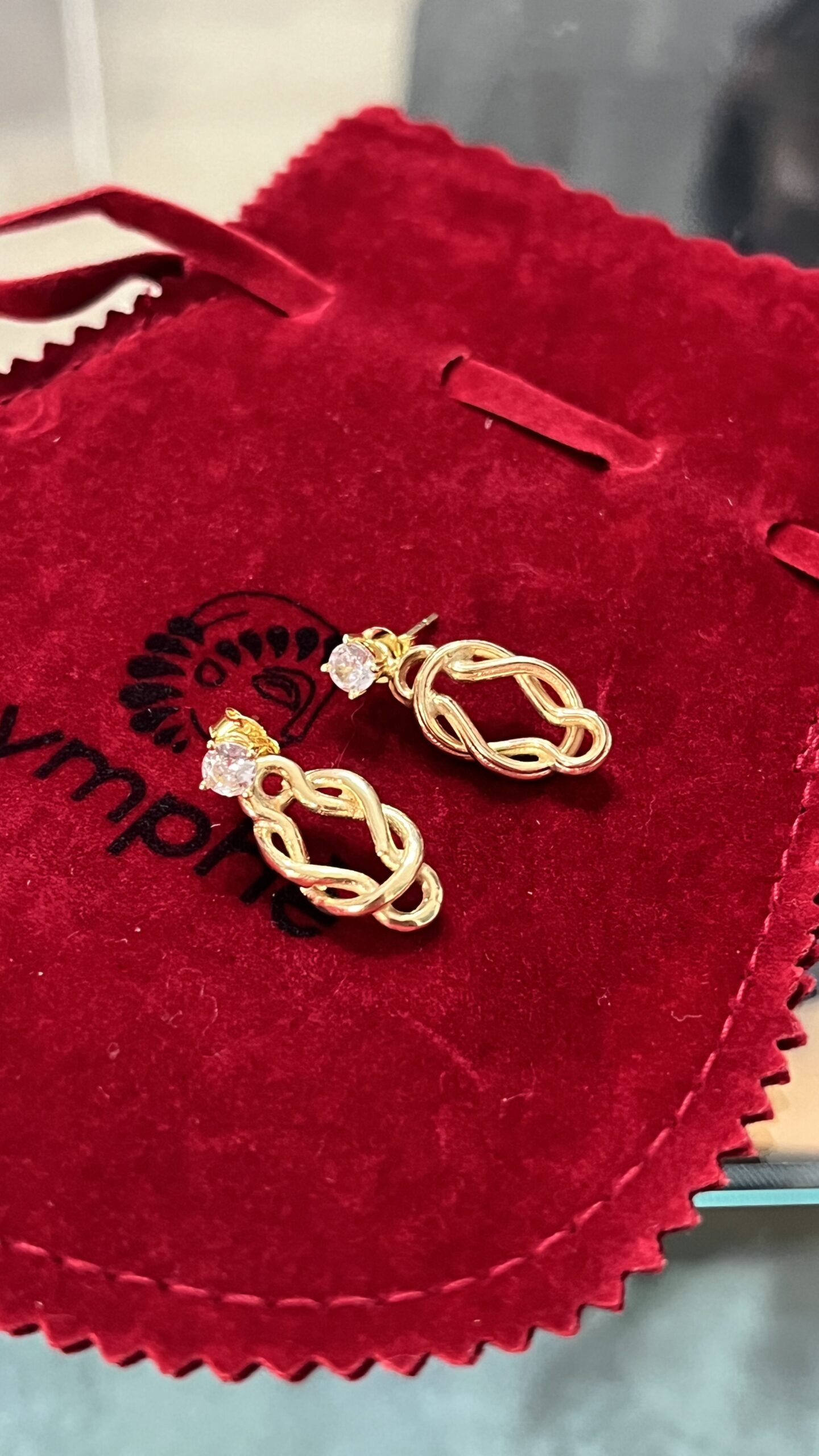
The presence of the knot on jewelry as well as in mosaic or pictorial decorations is considered an omen of good fortune for a couple’s fertility—so much so that it is also known as the ‘love knot.’ This is due both to its structure, formed by two tightly interwoven cords, and to its connection with the renowned fertility of Hercules, remembered as ‘septuaginta liberos reliquit’ for leaving behind seventy children.”
In oreficeria sembra esser noto sin dall’età del Bronzo, ma due periodi in cui visse l’apice di utilizzo furono l’età ellenistica e l’epoca romana tra II e III sec. d.C. Conosciuto principalmente per il suo utilizzo per maglie di catene dove figura intervallato in genere da fixing-links, ad oggi è documentato su collane, bracciali, anelli e su ipotetici diademi, come nel diadema rinvenuto a Colonna (RM) nell’anno 2011 dove il nodo viene rappresentato in verticale, unico caso noto, essendo ad oggi documentato sempre in maglie orizzontali. Fra gli innumerovoli richiami all’eroe recuperati durante gli scavi nel sito di Ercolano va ricordato l’anello rinvenuto nella casa del Mobilio carbonizzato, in cui il nodo viene raffigurato su una corniola, ma anche il bracciale in argento rinvenuto sull’antica spiaggia in cui più nodi decorano la sezione centrale di questo oggetto d’ornamento”.



Reviews
There are no reviews yet.