




In-Depth Analysis by Dr. Chiara Bartolucci
Marsiliana d’Albegna arose at the confluence of the Albegna and Elsa rivers, within the northern territory of Vulci. While the exact location of the settlement remains unknown, the rich burials in the nearby hilly areas (Poggio Petricci, Banditella, Perazzeta, and Macchiabuia) are well documented. Under the control of the eponymous center of Vulci, the settlement was short-lived (lasting from the late 8th to the early 6th century BCE) due to its rivalry with Vulci itself. Indeed, the very prosperity Marsiliana achieved—thanks to its location and commercial trade—became the reason for its destruction.
The Orientalizing-period funerary circles contain South Etruscan and North Etruscan productions alongside Oriental imports. The tombs that stand out for their wealth, notably the Perazzeta tomb, bear witness to an opulent aristocratic elite capable of displaying its prosperity through funerary grave goods.
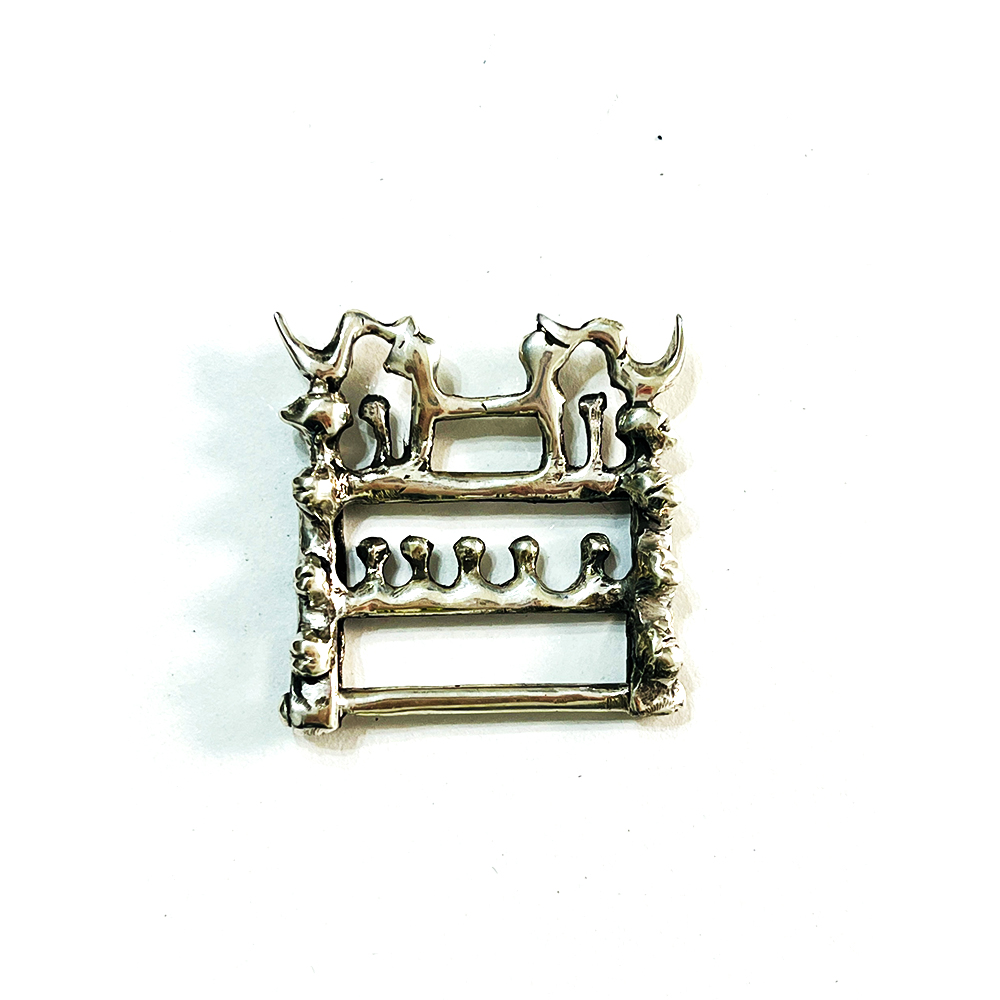
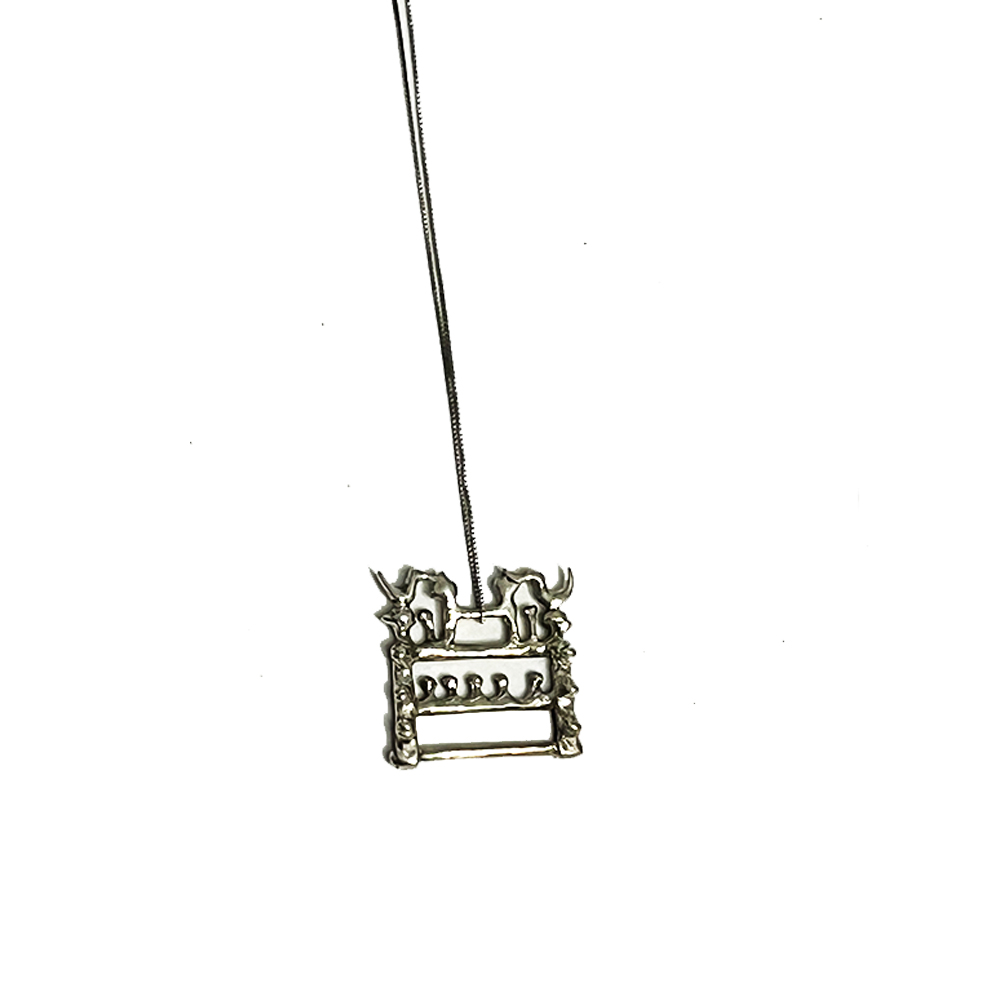
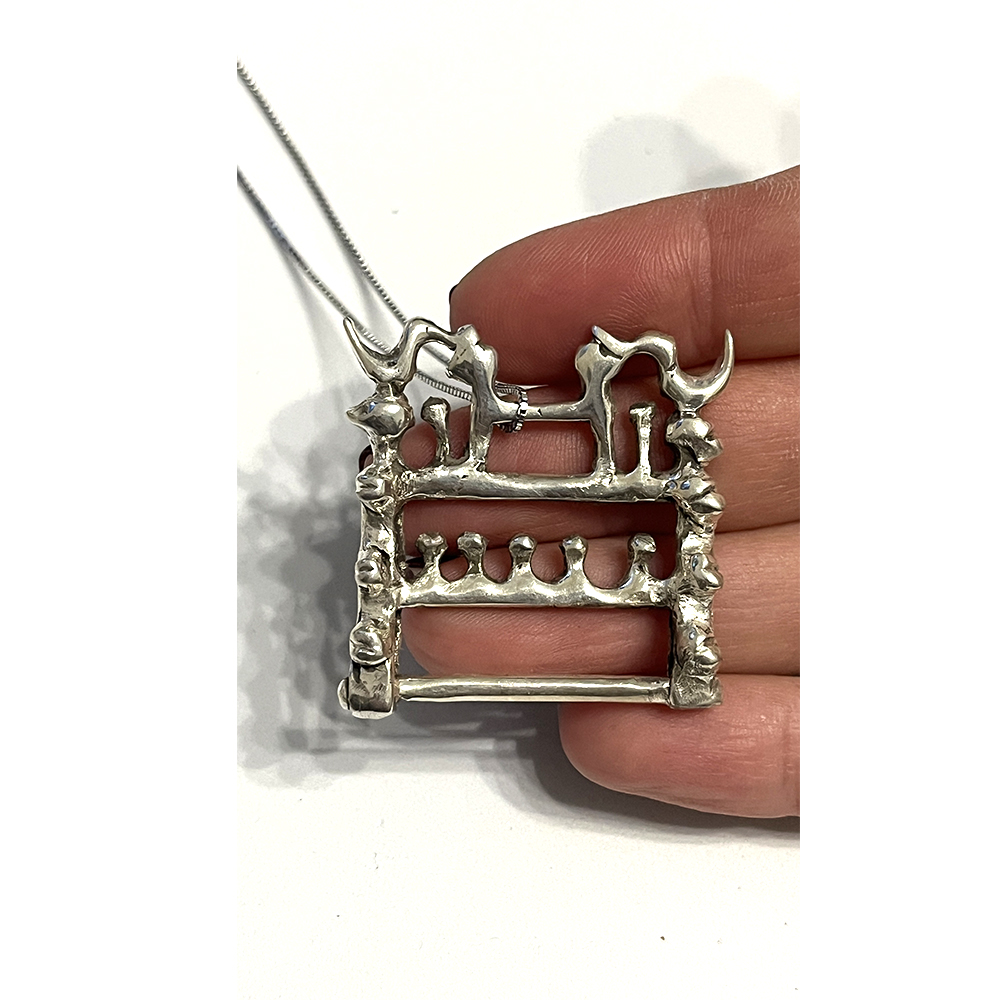
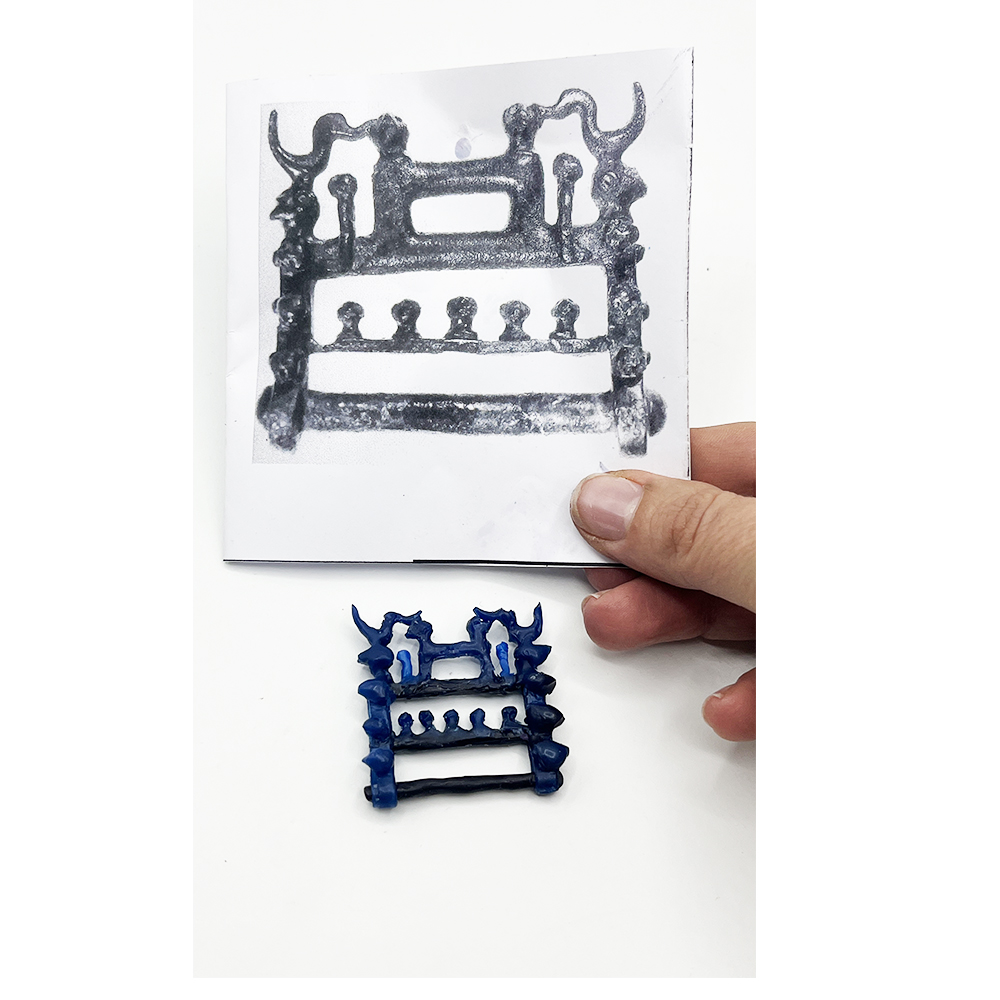
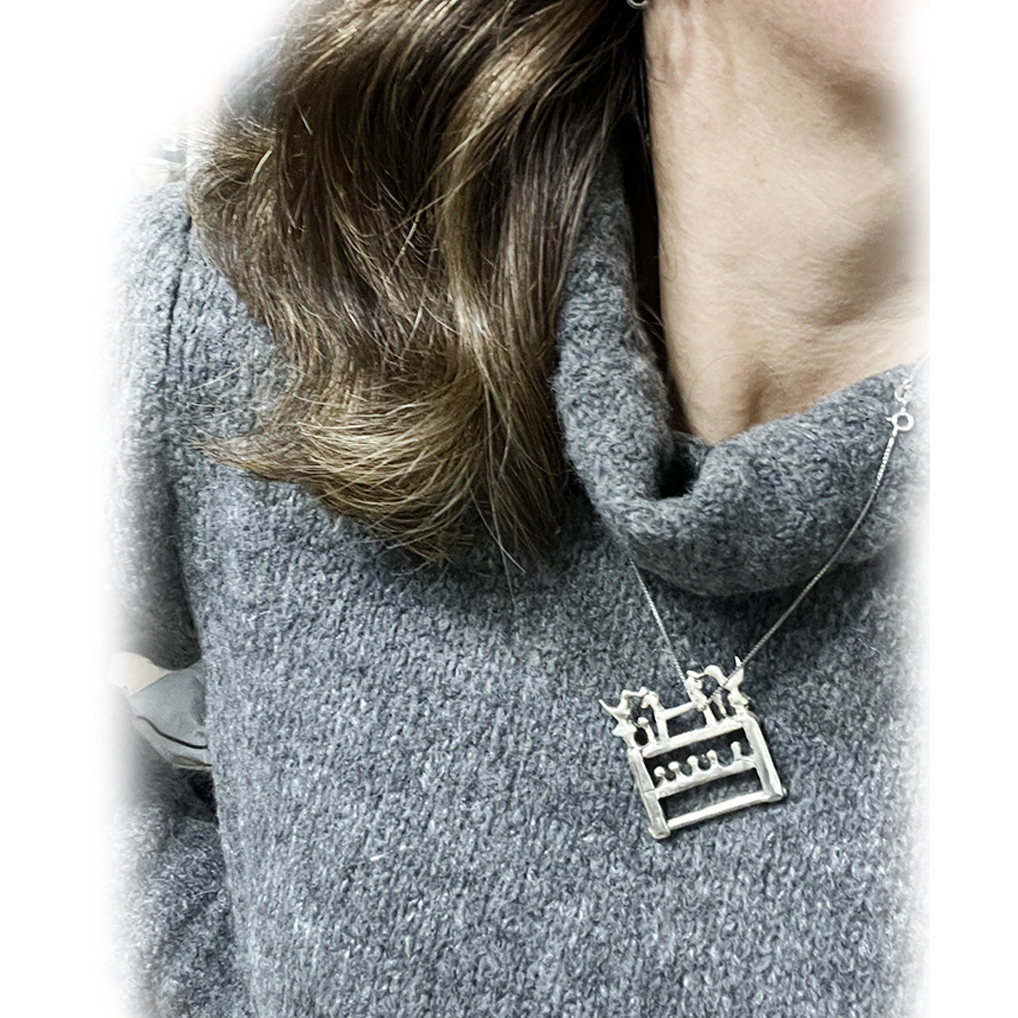
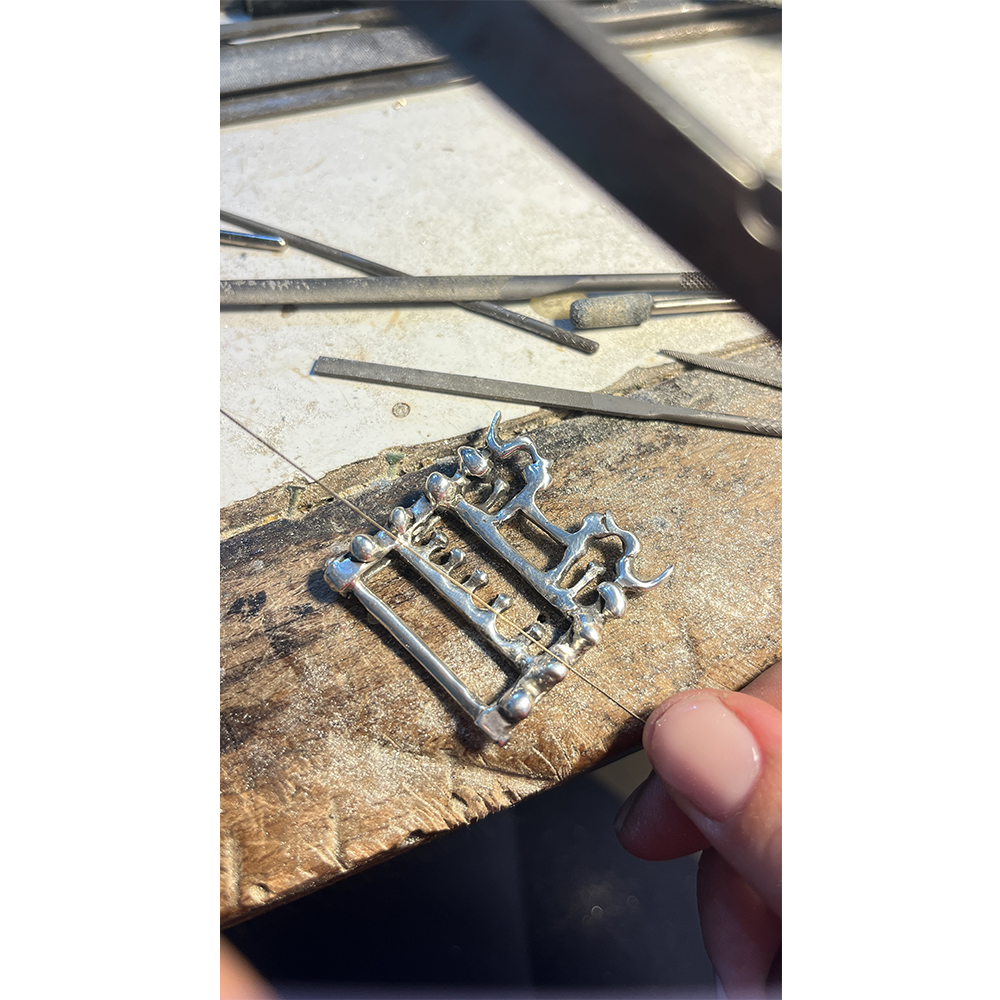
From the Perazzeta circle comes a richly decorated bronze buckle, which finds thematic parallels within the same necropolis and in burials at Vetulonia.
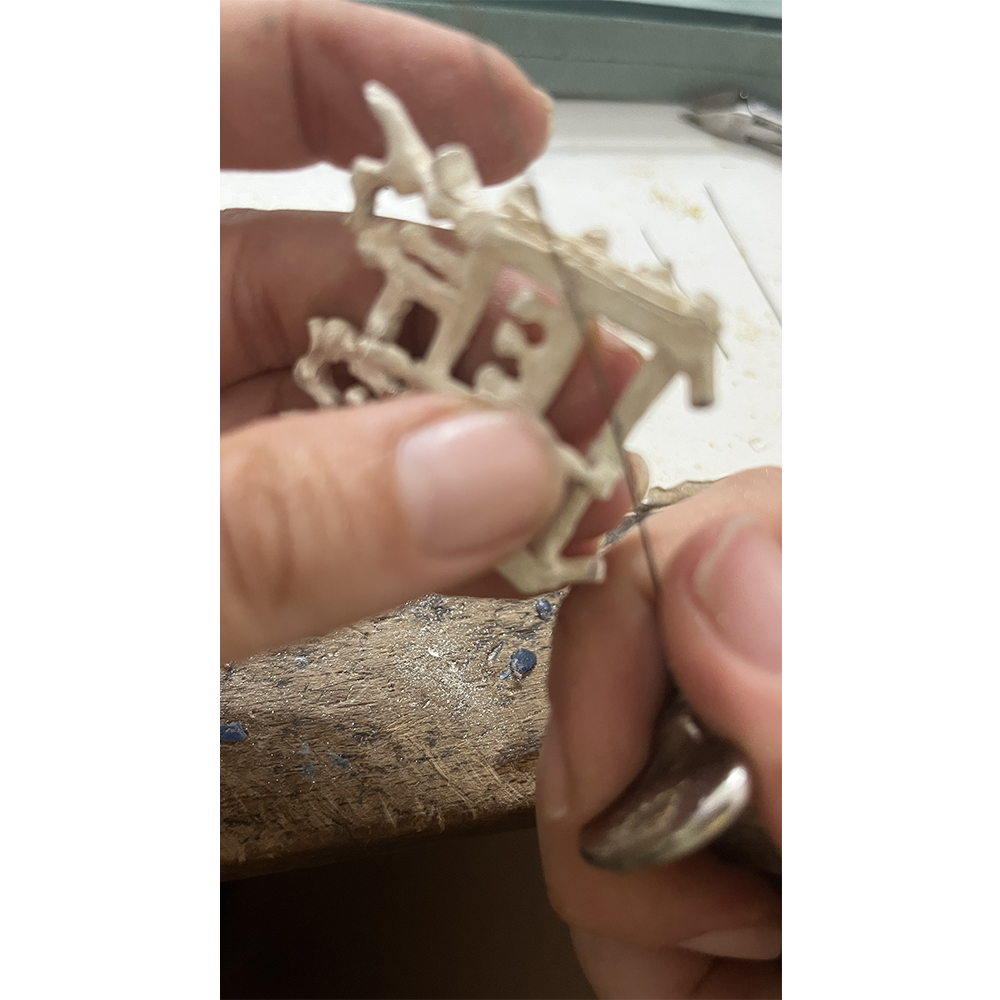
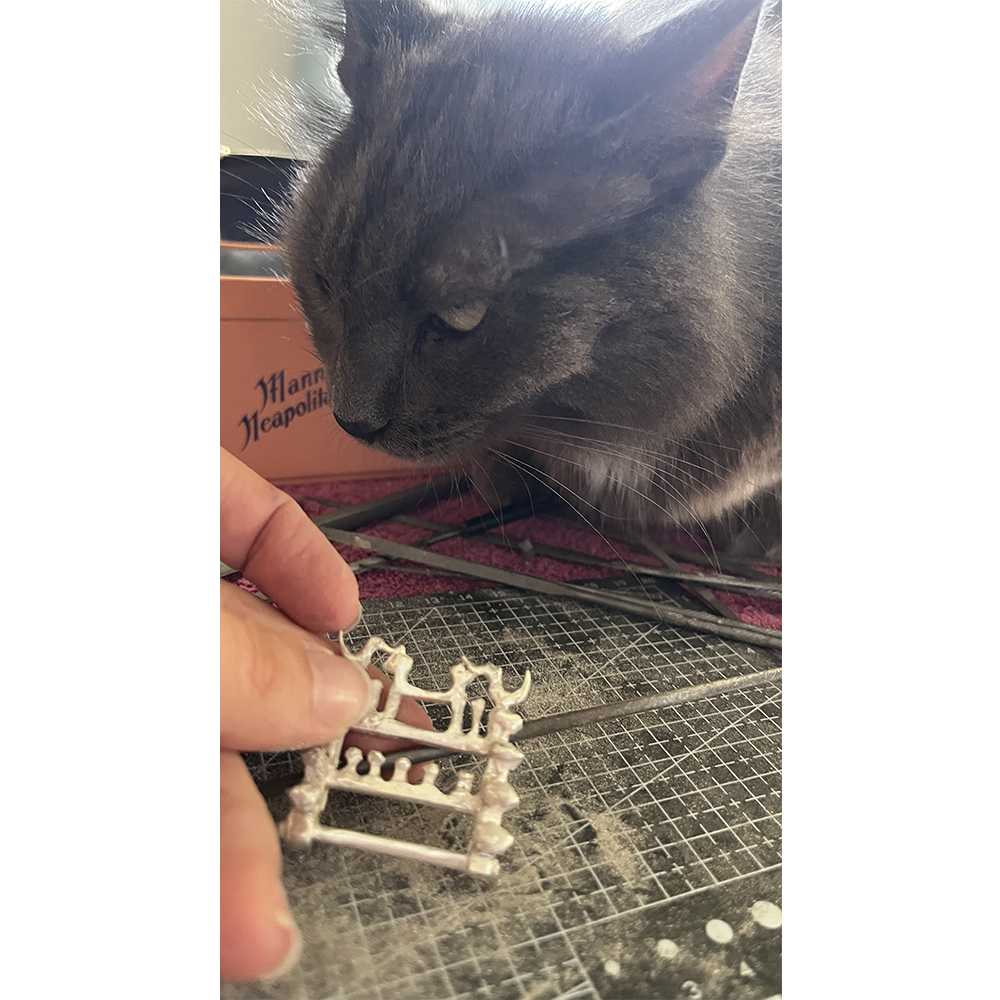
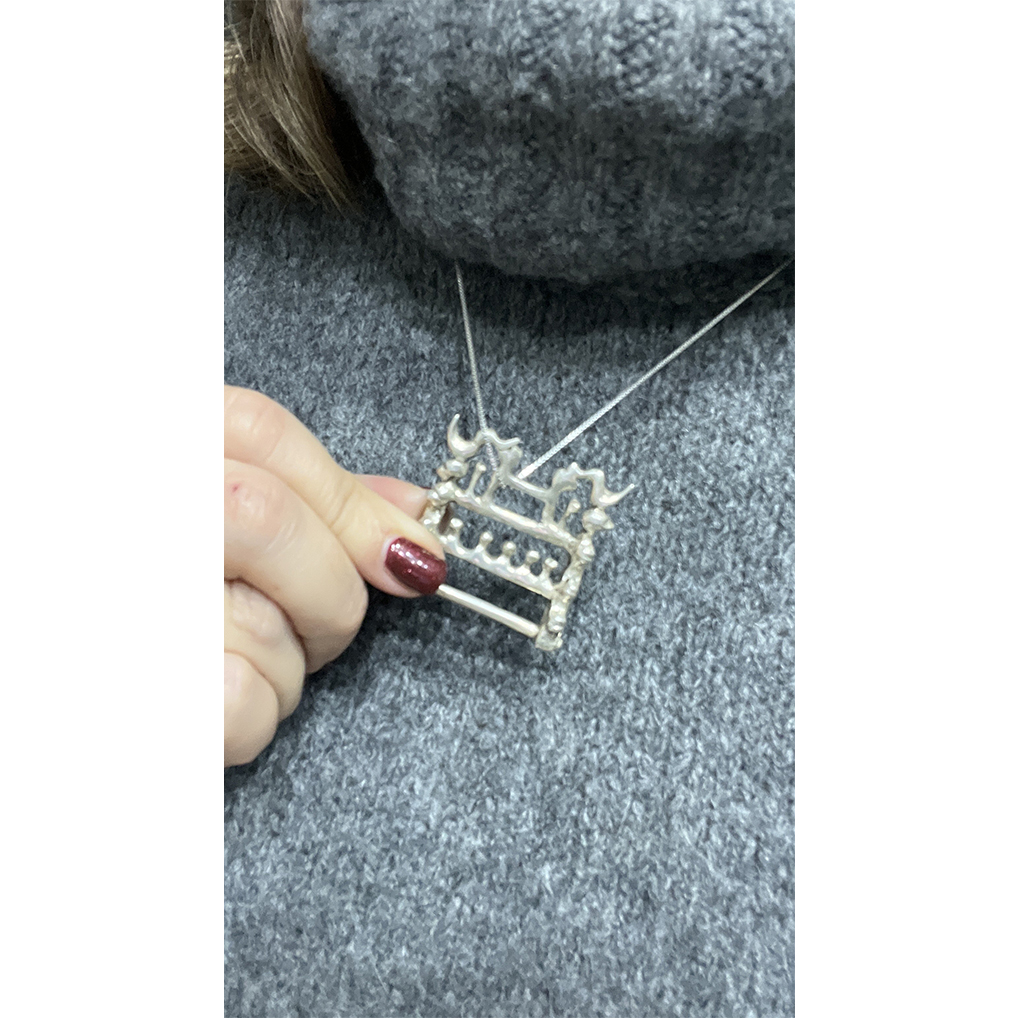
The buckle was cast using the lost-wax technique and features prominent sculptural decoration. It was constructed from a round rod with a rectangular loop reinforced by a flat crossbar. Five small, stylized human protomes are set on the crossbar, along with three more on each of the side bars. Two larger protomes decorate the upper corners alongside two stylized ducklings, while two stylized human figures flank the loop.
The waterfowl is a central motif in Etruscan craftsmanship, particularly in the funerary sphere, as it is an animal capable of flight while also inhabiting the water. It serves as a symbol of passage from one dimension to another—the transition from the world of the living to the afterlife. The waterfowl theme harks back to the ancient European symbol of the sun barge (or sun chariot), whose journey across the sky was drawn by birds. In this motif, the sun represents cyclicity and the changing of the seasons, where the realm of the dead existed in another dimension—the very direction the sun headed toward at the end of its course. Birds were believed to act as psychopomps (ferrymen of the soul), which is why they feature prominently in Etruscan artifacts, starting from the roof decorations of cinerary urns.

Reviews
There are no reviews yet.