

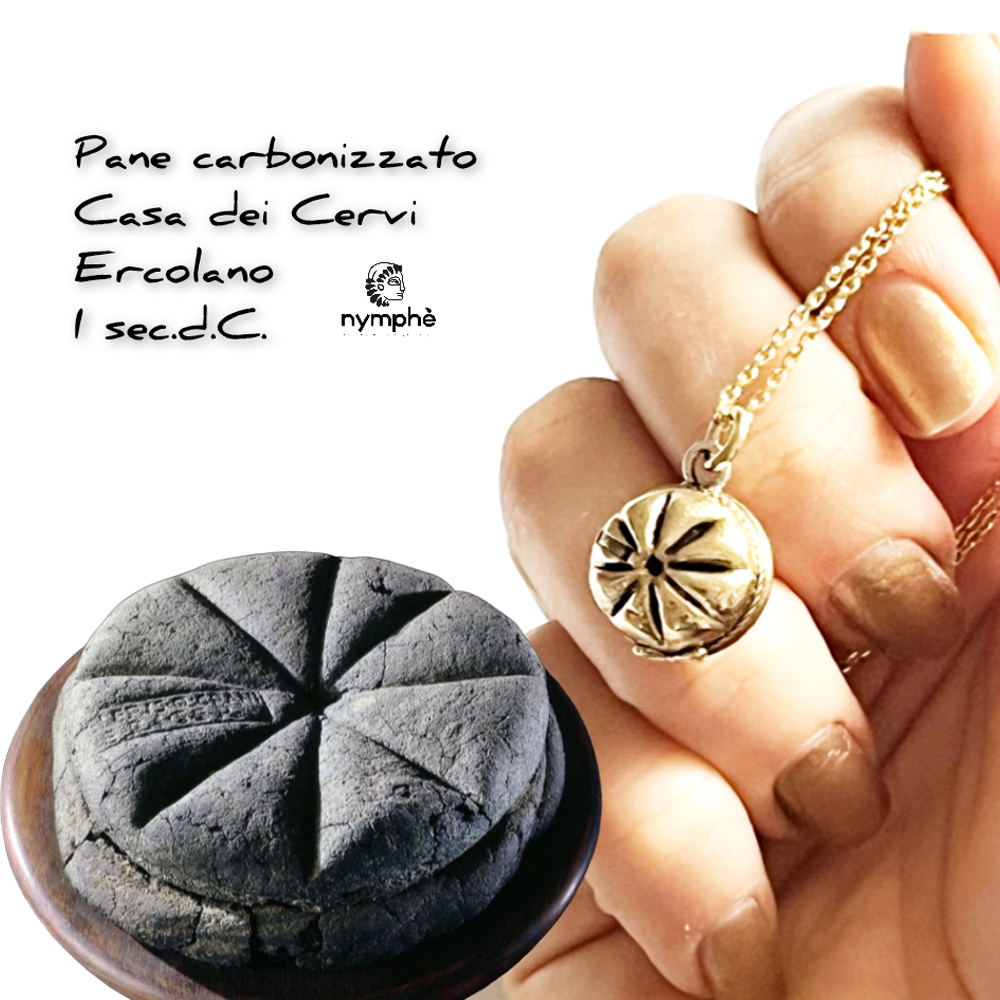
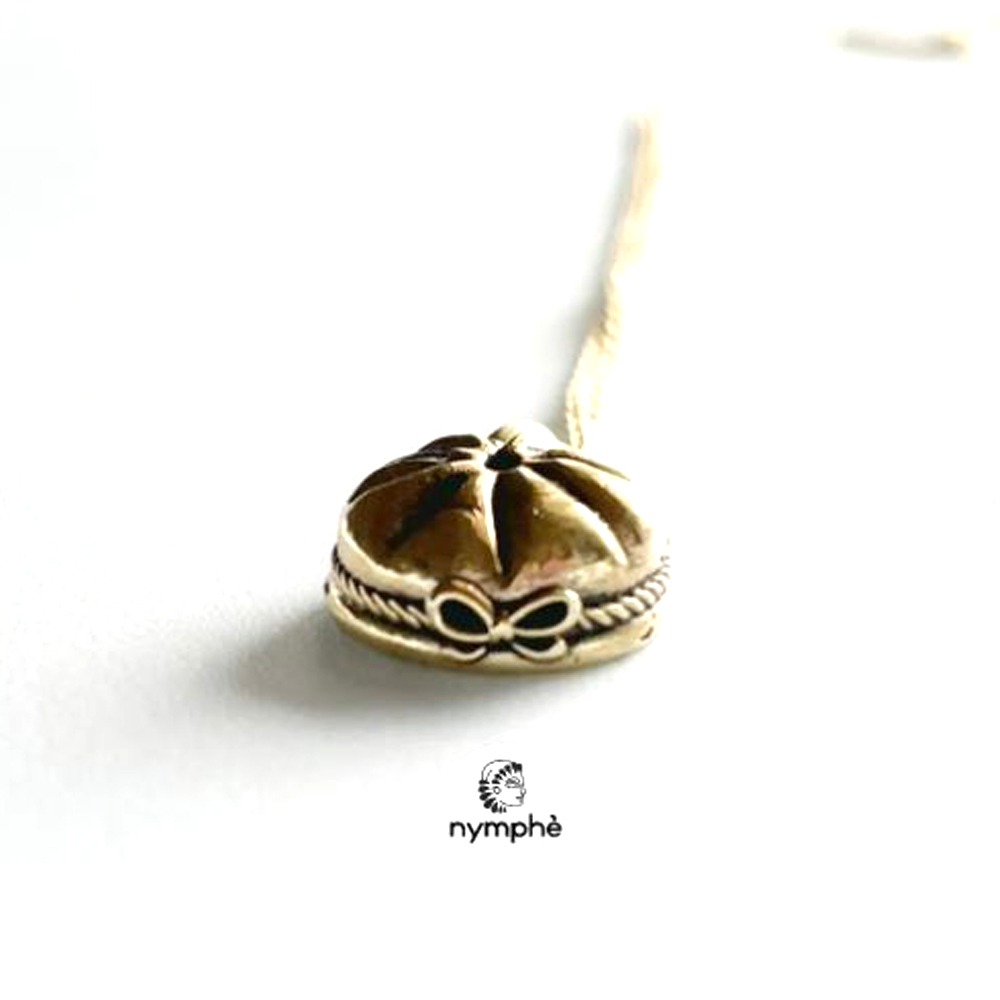
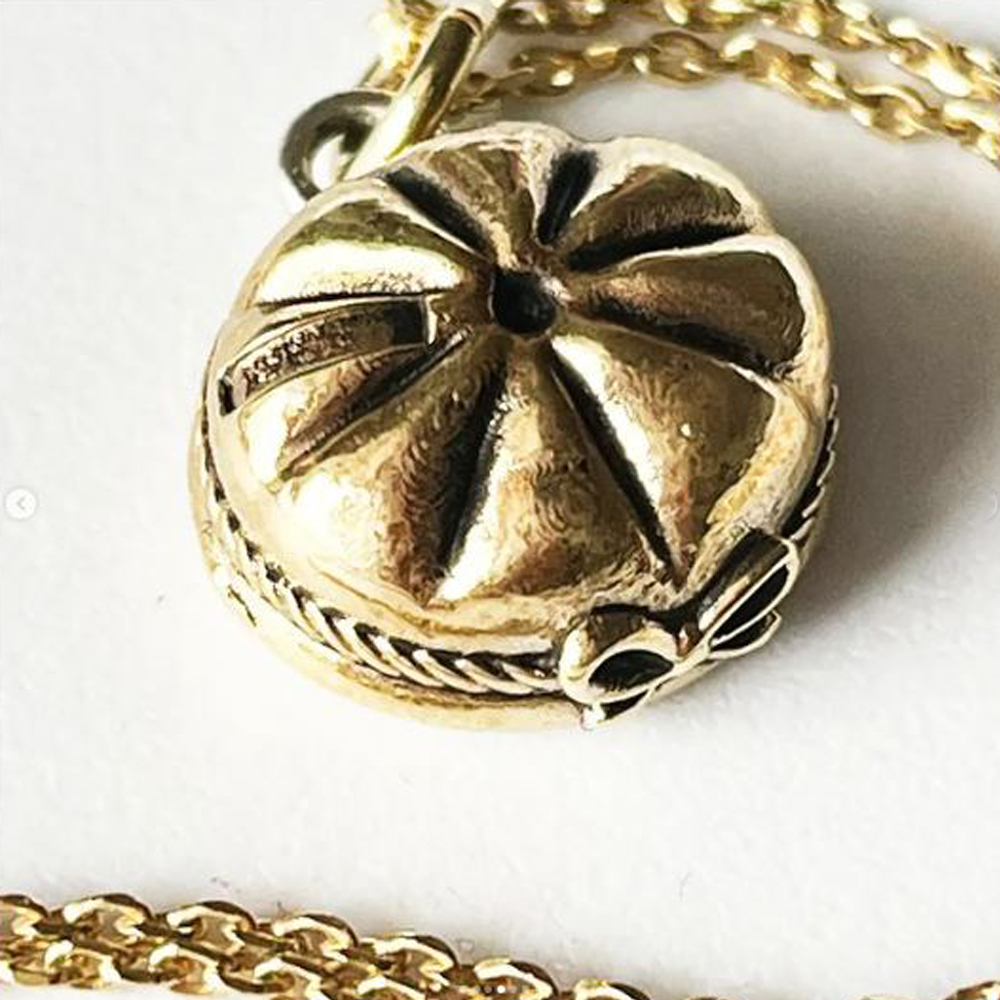
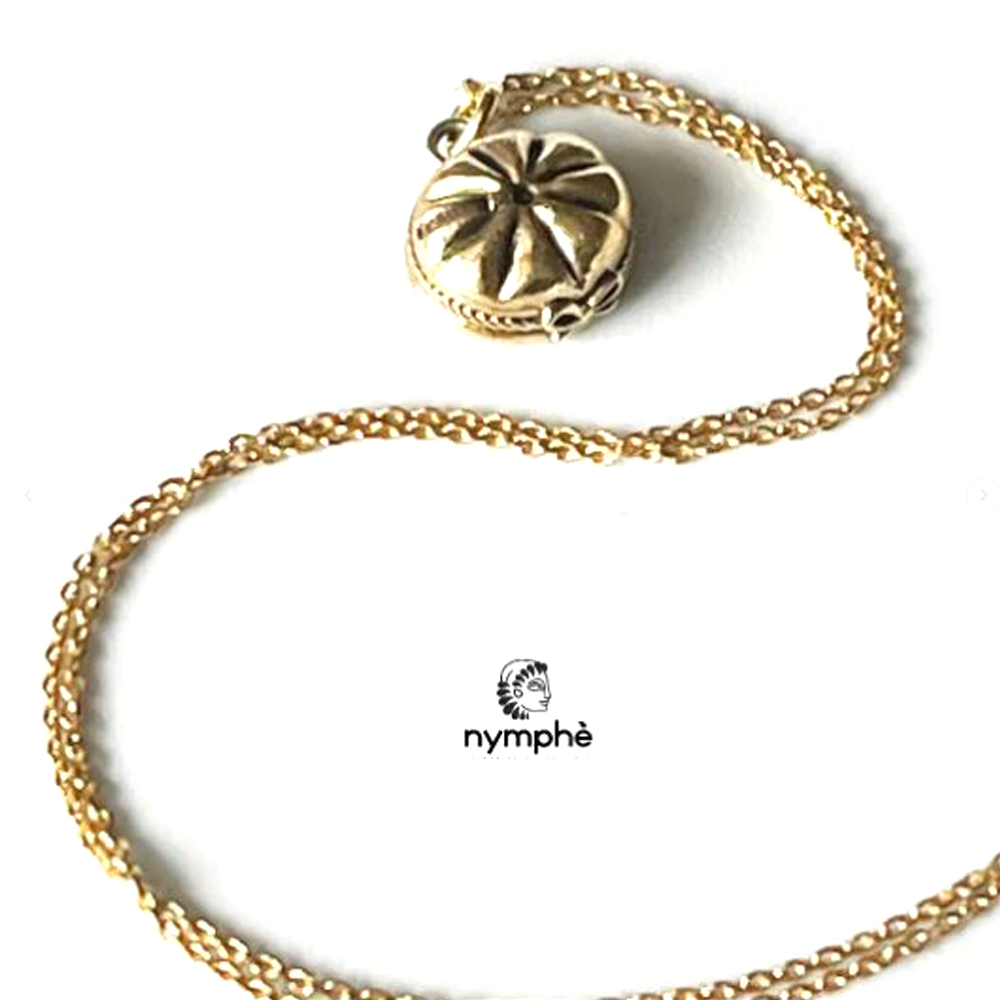
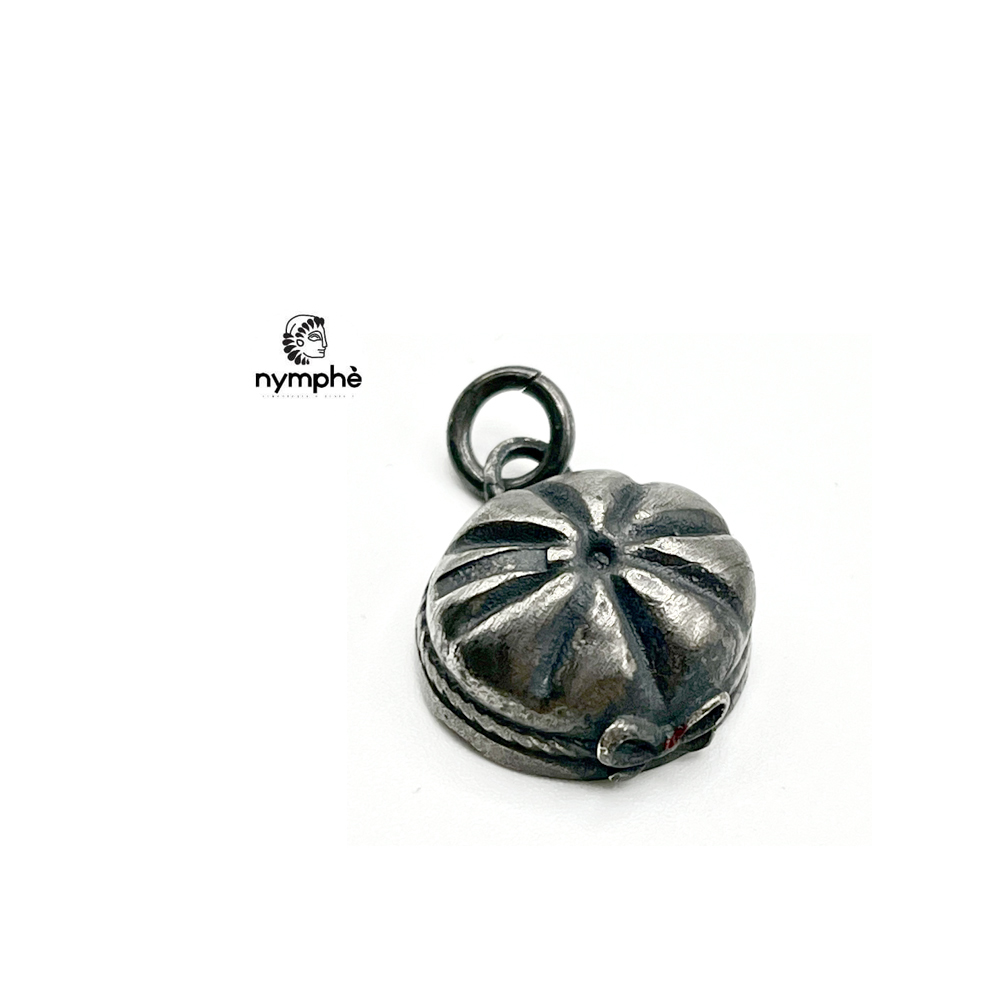
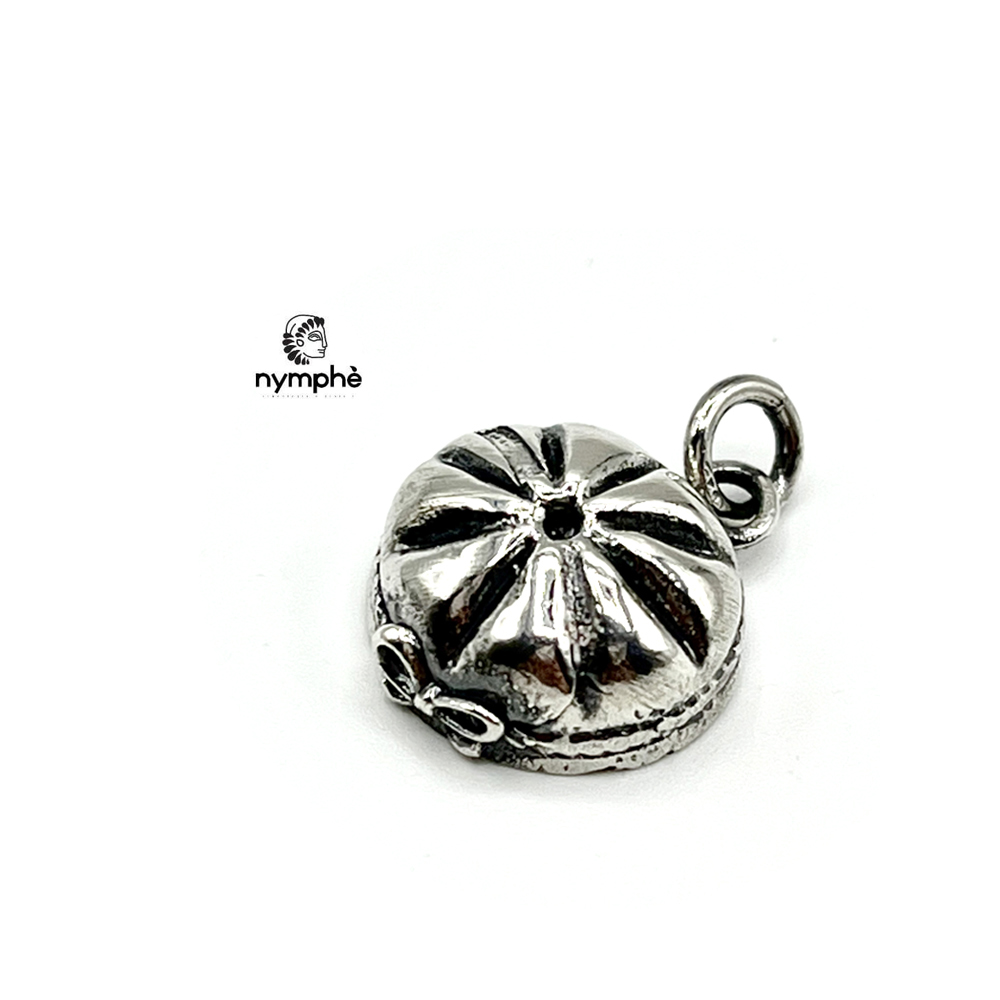
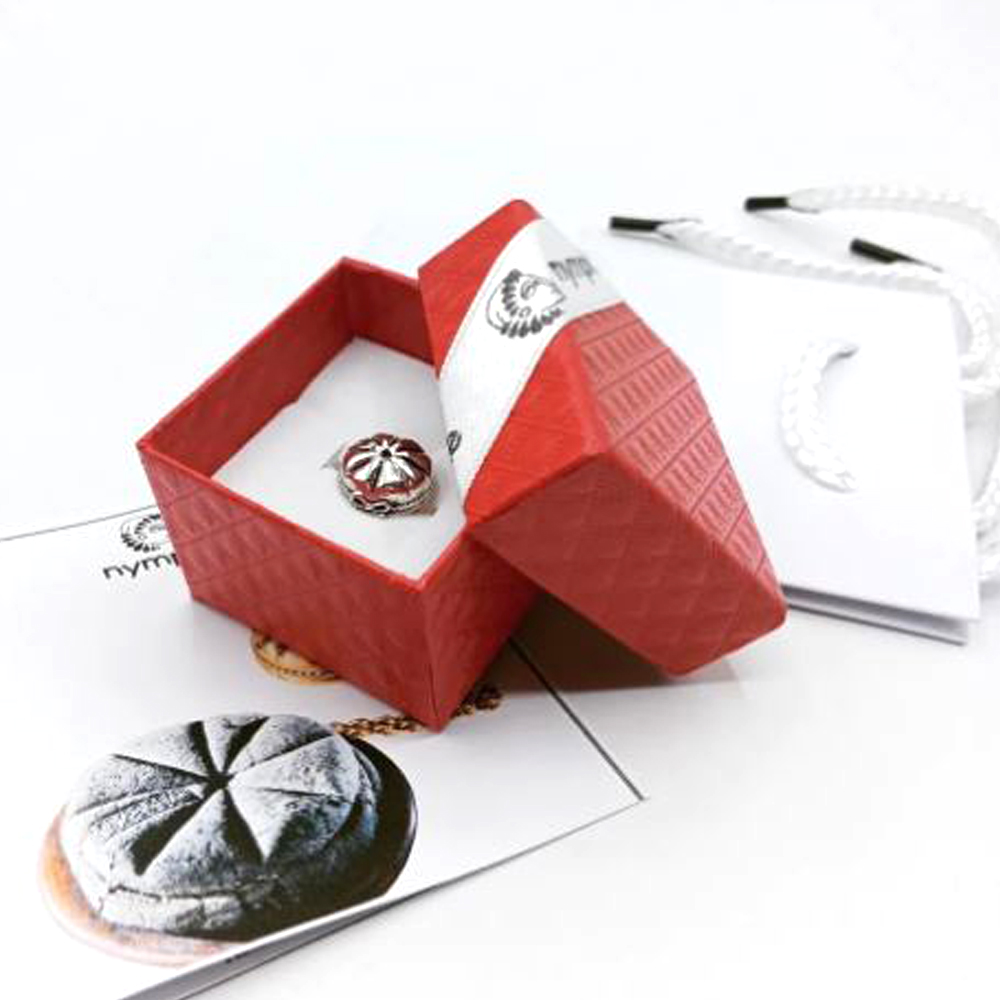


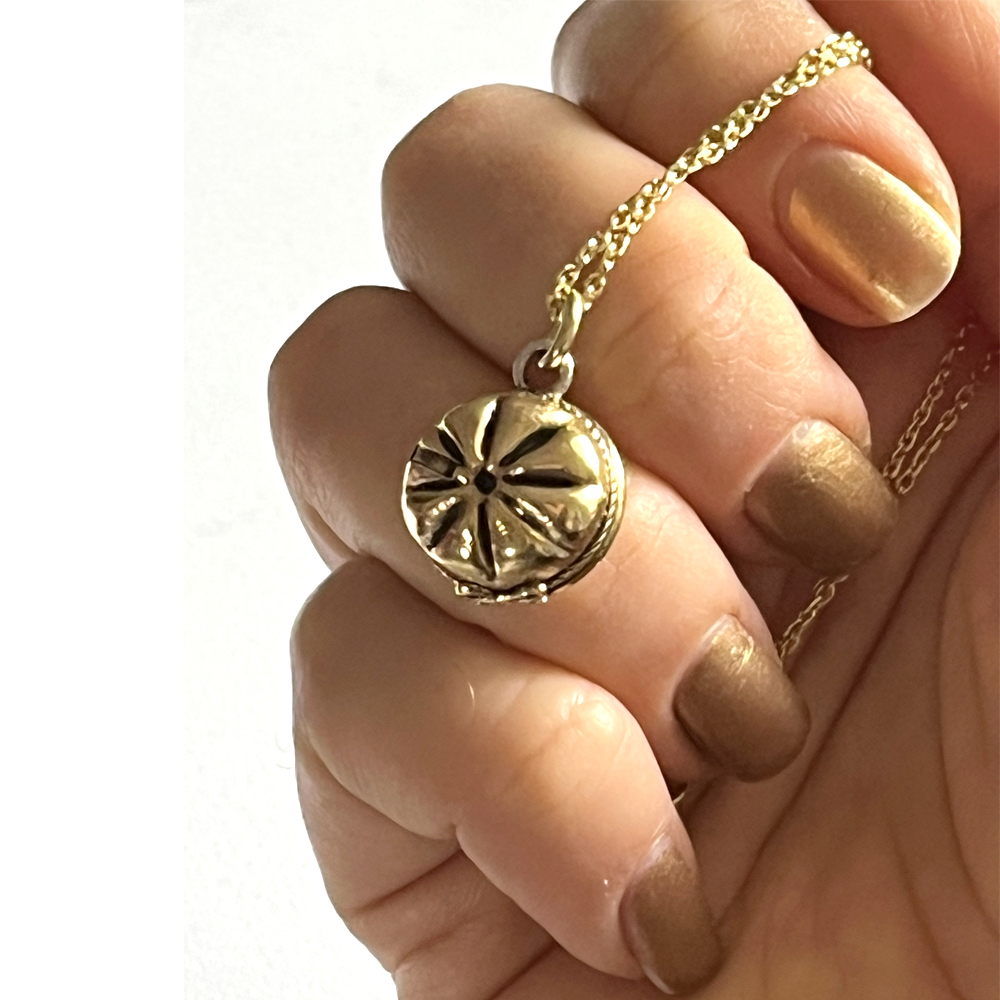

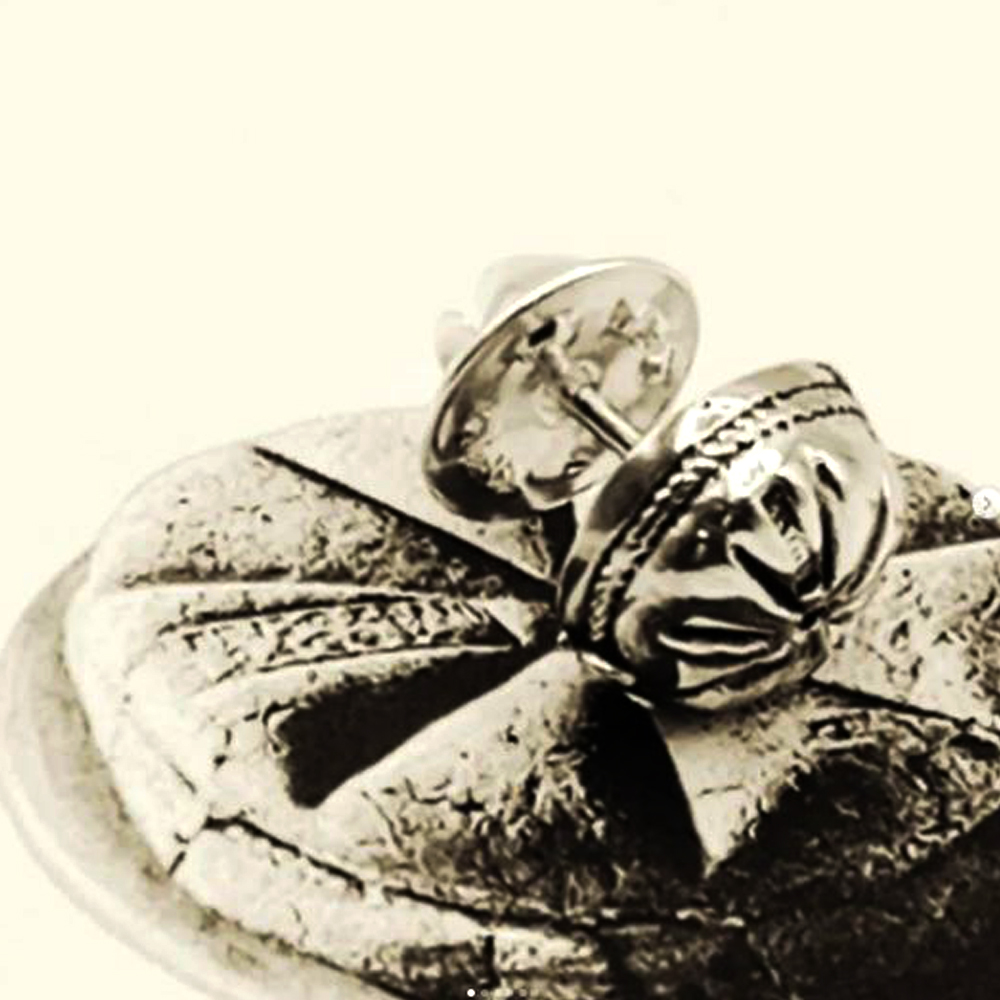
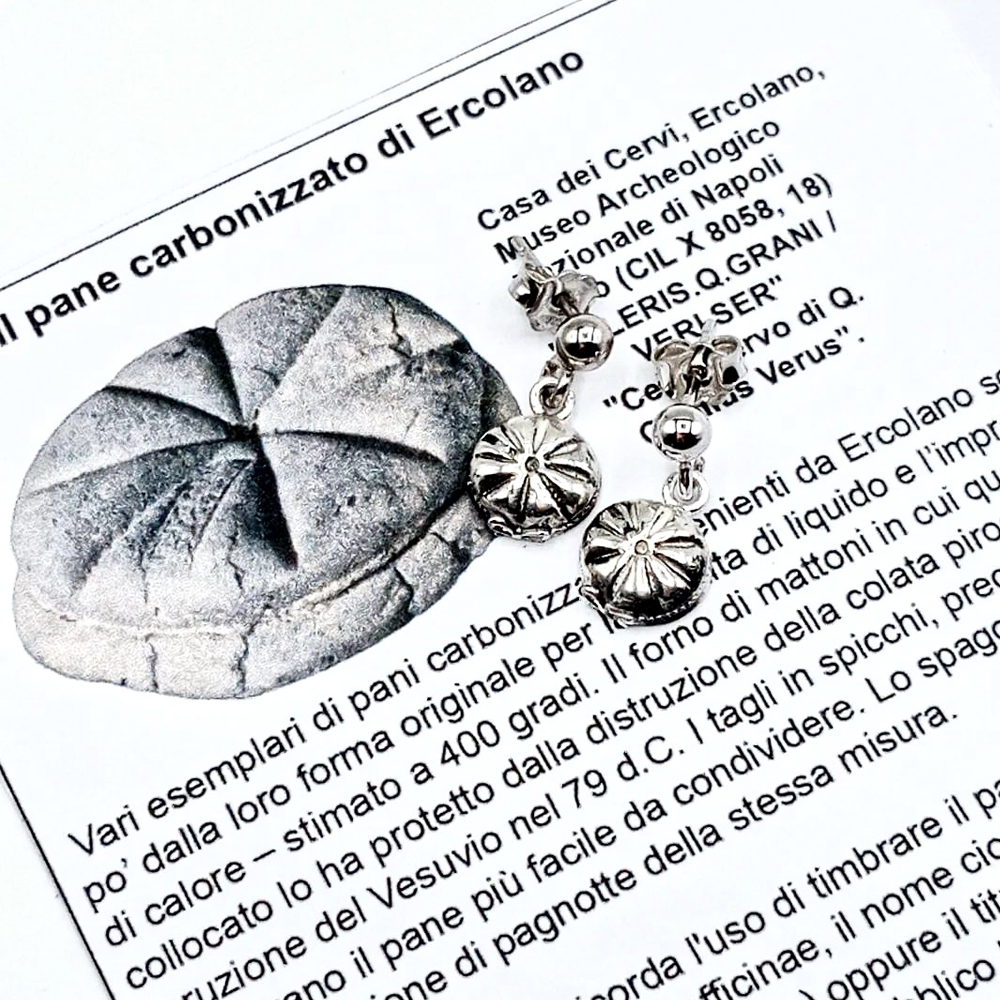
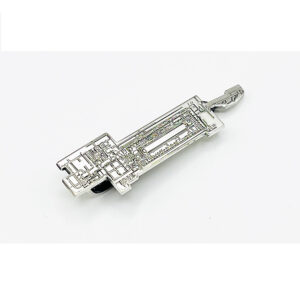
This creation is an unprecedented miniature of the famous Roman eight-section carbonized bread (panis quadratus), discovered in Herculaneum in the mid-18th century inside the opulent House of the Stags (Casa dei Cervi) and currently preserved at the National Archaeological Museum of Naples (MANN, Inv. 84488).
Volcanological and Archaeological Preservation
Thermal Shock and Shrinkage: Organic food artifacts from Herculaneum exhibit volumetric shrinkage caused by rapid dehydration and exposure to extreme thermal surges during the eruption of Vesuvius in 79 AD, with temperatures estimated at approximately 400 °C.
Micro-Environment Protection: The extraordinary preservation of this loaf was facilitated by its location inside a masonry oven. The thick brick structure partially sheltered the bread from the direct mechanical destruction of the incoming pyroclastic density currents.
Functional Morphology: The radial scoring divided the loaf into eight symmetrical segments before baking, allowing easy sharing at the table. The string bound around the perimeter served to control the expansion during proofing and baking, while also providing an easy means of handling and transport for street vendors (pistores).
Epigraphy & The Baker’s Stamp As recorded by ancient literary sources, including Pliny the Elder (Naturalis Historia), stamping bread before baking was standard practice in the Roman world for quality control, economic regulations, and brand identification. The top surface of the Herculaneum loaf bears a clear impressions of an epigraphic stamp (cataloged in the Corpus Inscriptionum Latinarum, CIL X 8058, 18):
“CELERIS . Q . GRANI / VERI . SER”
(Celeris, Quintii Granii Veri Servus)
Meaning: “[Baked by] Celer, slave of Quintus Granius Verus”
This extraordinary epigraphic detail transforms a humble daily staple into a vivid snapshot of Roman socio-economic life, preserving the exact names of the artisan and his master just moments before Vesuvius froze time.
Il signaculum è un timbro a lamina rettangolare con testo retrogrado a lettere rilevate ed è stato identificato a Roma nell’Antiquarium Capitolino Celere potrebbe essere lo stesso personaggio ed è noto per essere sopravvissuto all’eruzione infatti il suo nome compare in un elenco successivo di schiavi liberati.
🍞
Quinto Granio Vero, appartiene ad un ramo della gens Grania probabilmente puteolana insediatosi ad Ercolano, dove risulta un fundus Granianus nelle tavolette Ercolanensi (TH 64 e 32).
Il timbro sul pane può essere un titulus officinae col nome cioè del titolare della struttura che produceva il pane, cioè il “pistrinum” (forno e mulino per panetteria),
Oppure può essere il titulus di proprietà cioè il nome di chi porta a cuocere in un forno pubblico l’impasto realizzato in casa.
Il pane stesso è importante in quanto dimostra che Celere possedeva la villa, nota come Casa dei Cervi, dove fu scoperto il pane.




Reviews
There are no reviews yet.